
3D Sleep oral appliances offer a clinically supported, non-invasive option for managing snoring and mild to moderate obstructive sleep apnoea (OSA). For patients who struggle with CPAP therapy or prefer a more discreet solution, this advanced dental sleep technology focuses on improving airflow by stabilising the airway during sleep—without masks, hoses, or external equipment.
At Peninsula Snore Clinic, 3D Sleep therapy is provided using a patient-first, evidence-guided approach grounded in respiratory and dental sleep medicine principles.
Understanding Snoring and Obstructive Sleep Apnoea
Snoring and sleep apnoea commonly occur when the muscles of the throat relax during sleep, causing partial or complete airway obstruction. This can lead to:
- Interrupted breathing
- Oxygen level fluctuations
- Fragmented, non-restorative sleep
- Daytime fatigue and reduced concentration
Clinical guidelines in sleep medicine consistently emphasise the importance of maintaining airway patency to reduce apnoeic events and improve sleep quality.
What Is 3D Sleep Therapy?
3D Sleep therapy uses a custom-made mandibular advancement oral appliance designed to gently reposition the lower jaw forward during sleep. This forward positioning helps prevent airway collapse by increasing the space behind the tongue and soft tissues.
Unlike over-the-counter mouthguards, 3D Sleep appliances are:
- Digitally designed for precision
- Individually fitted to the patient’s bite
- Adjustable for comfort and effectiveness
- Created from medical-grade materials
This approach aligns with modern dental sleep medicine standards for oral appliance therapy.

How 3D Sleep Oral Appliances Work
The 3D Sleep appliance functions by gently holding the lower jaw forward, supporting proper airflow and airway stability during sleep:
- Improved airflow through the upper airway
- Reduced vibration of soft tissues (snoring)
- Fewer breathing interruptions during sleep
By addressing the anatomical factors involved in airway narrowing, 3D Sleep therapy targets the root cause rather than masking symptoms.
Who May Benefit from 3D Sleep Oral Appliances?
3D Sleep therapy may be suitable for:
- Patients with mild to moderate obstructive sleep apnoea
- Individuals with chronic snoring
- CPAP-intolerant patients seeking an alternative
- Those preferring a portable, mask-free solution
A professional sleep assessment is essential to determine suitability and ensure safe, effective treatment.
3D Sleep vs CPAP: Understanding the Difference
For moderate to severe sleep apnoea, Continuous Positive Airway Pressure (CPAP) is still considered the most effective standard treatment.
3D Sleep oral appliances offer:
- Greater comfort and portability
- No external machinery
- Quiet operation
- Improved adherence for some patients
Clinical literature supports oral appliance therapy as a recognised alternative when CPAP is not tolerated, particularly for appropriately selected patients.
If you’re unsure which treatment is right for you, read our detailed guide on how to choose between oral appliance and CPAP for sleep apnoea treatment.
Precision Fit Through Digital Technology
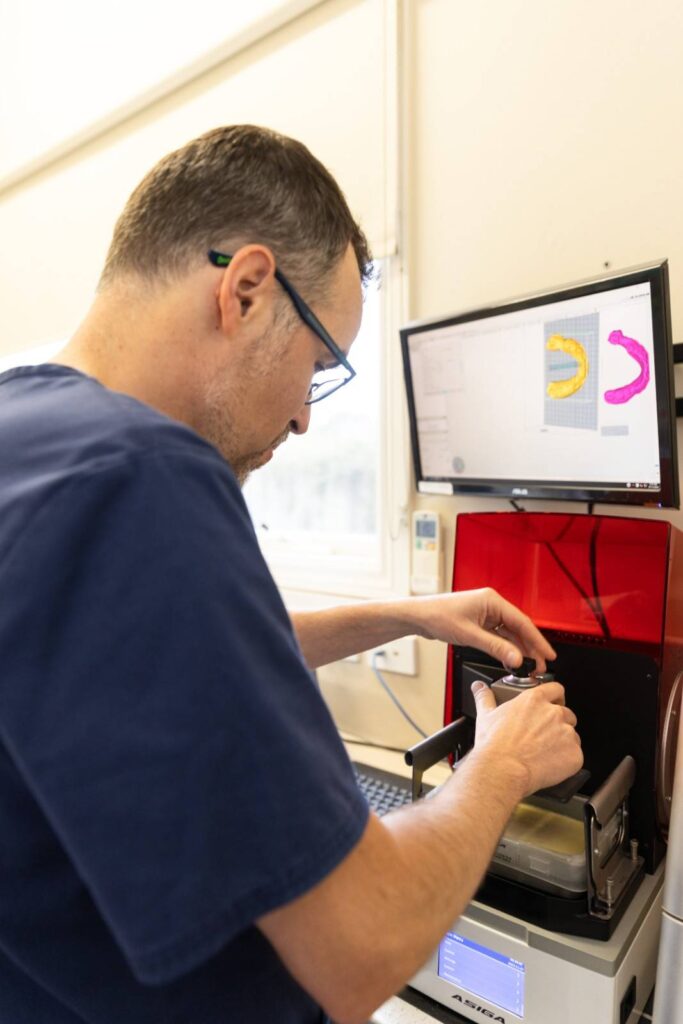
At Peninsula Snore Clinic, 3D Sleep appliances are fabricated using digital impressions, ensuring:
- Accurate jaw alignment
- Reduced pressure points
- Improved comfort from the first night
- Fewer adjustment visits
This precision-based process reflects current best practices in dental sleep therapy.
Safety, Oversight, and Clinical Expertise
3D Sleep therapy is delivered under professional clinical oversight. Treatment planning involves:
- Reviewing sleep study results (when indicated)
- Assessing dental and jaw health
- Monitoring response to therapy
- Making precise adjustments as needed
This structured, medically informed approach supports both safety and long-term effectiveness.
Long-Term Benefits of 3D Sleep Therapy
When properly prescribed and monitored, 3D Sleep oral appliances may help:
- Reduce snoring intensity and frequency
- Improve sleep continuity
- Support daytime alertness
- Enhance overall sleep-related quality of life
Consistency and follow-up care are key components of successful outcomes.
Frequently Asked Questions (FAQ)
Is 3D Sleep therapy clinically recognised?
Yes. Oral appliance therapy is widely recognised in dental sleep medicine and supported by sleep medicine guidelines for specific patient groups.
Can 3D Sleep treat severe sleep apnoea?
Severe cases typically require CPAP or specialist care. A clinical assessment is necessary to determine appropriate treatment options.
Is the 3D Sleep appliance comfortable?
Most patients adapt quickly due to its lightweight, custom-fit design. Digital precision helps minimize discomfort.
How long does a 3D Sleep appliance last?
With proper care and regular reviews, appliances can last several years, though periodic replacement may be recommended.
Do I need a sleep study before starting?
In many cases, yes. A sleep assessment helps ensure accurate diagnosis and safe treatment planning.
Book a Professional Sleep Assessment
If you’re exploring non-invasive solutions for snoring or sleep apnoea, 3D Sleep therapy may be an effective option. At Peninsula Snore Clinic, we combine clinical expertise, digital precision, and patient-centred care to support better breathing and healthier sleep.
Book your sleep assessment today and take the first step toward more restful nights.