
At Peninsula Snore Clinic, we deliver evidence-based SomnoMed oral appliance therapy, combining advanced technology with compassionate, professional care.
We provide modern SomnoMed oral appliance solutions designed to improve breathing during sleep, with personalised care and expert support.
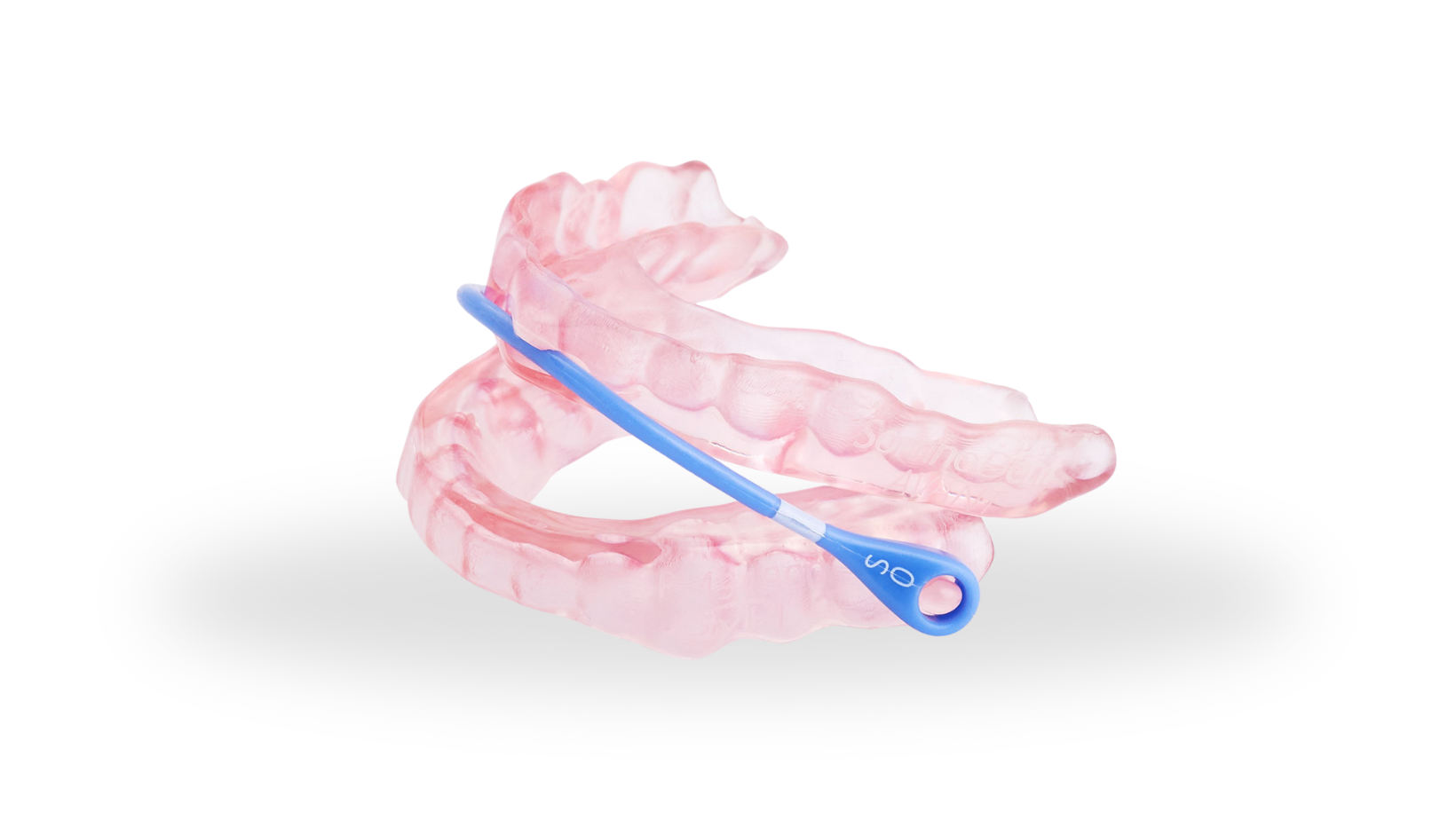
Snoring and sleep apnoea can happen when your airway becomes restricted while you sleep. Oral appliances like the SomnoDent Avant work by comfortably moving the jaw and tongue forward, allowing air to flow more freely and helping to reduce sleep apnoea and snoring symptoms.
Compared to traditional CPAP masks, SomnoMed oral appliances offer great comfort for many people. From the moment it is placed in your mouth, the appliance fits smoothly over your teeth, gently supporting each one for a secure and comfortable feel throughout the night. At Peninsula Snore Clinic, we use advanced SomnoMed technology, including the b-flex Comfort Liner, to provide comfort while maintaining effective airway support.
Each SomnoMed oral appliance is custom-made to ensure a precise fit from the very beginning. Using detailed dental impressions or digital scans, your device is carefully crafted to work as intended from day one. Thanks to SomnoMed’s First Time Fit technology, many patients require fewer adjustments and can start their sleep apnoea treatment with confidence, comfort, and peace of mind.

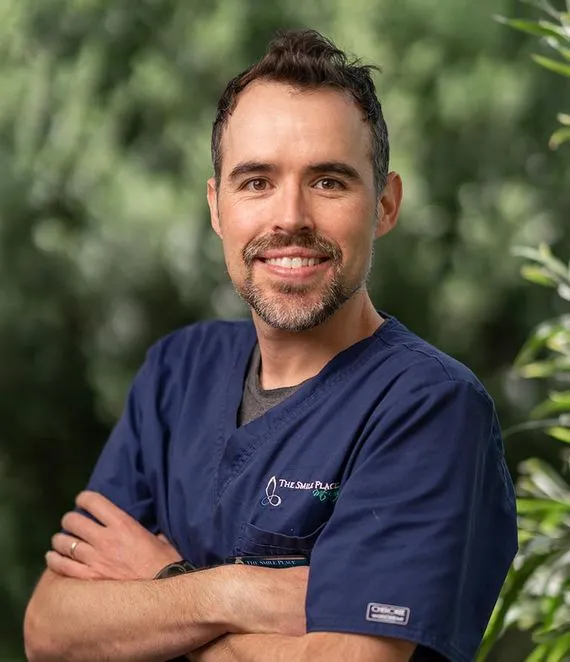
Dr Andre Schertel is the lead clinician at Peninsula Snore Clinic, with over 20 years of dental experience and advanced training in dental sleep medicine. After personally experiencing obstructive sleep apnoea, he developed a strong focus on effective, comfortable alternatives to CPAP therapy.
Dr Andre has completed training in sleep apnoea management in Australia and internationally and has extensive experience treating snoring and sleep apnoea with custom oral appliances. He holds a Fellowship of Dental Sleep Medicine from the Australasian Sleep Association and a Post-Graduate Diploma in Clinical Dentistry (Oral Implants) from the University of Melbourne.