
Snoring can quietly take a toll on sleep quality, energy levels, and overall wellbeing. While it’s often dismissed as a minor nuisance, ongoing snoring can affect both the person sleeping and those around them, making proper assessment and treatment an important step toward better rest.
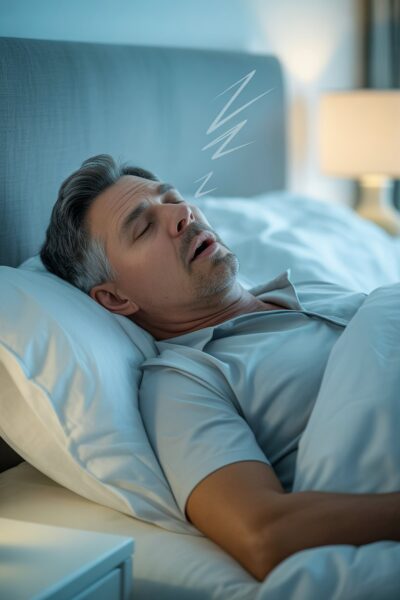
Snoring occurs when airflow through the nose and throat becomes partially restricted during sleep. As the muscles of the throat relax, the airway narrows, causing the surrounding soft tissues—such as the soft palate, uvula, and tongue—to vibrate as air passes through.This movement creates the characteristic noise commonly known as snoring.
The volume and intensity of snoring can range from mild and occasional to loud and disruptive, depending on how narrow the airway becomes and which tissues are involved. While snoring is common, persistent snoring often signals an underlying breathing issue that should not be ignored.

Snoring doesn’t just affect the person making the noise—it frequently disrupts the sleep of partners and family members as well. Poor sleep quality can lead to daytime fatigue, reduced concentration, irritability, and strained relationships.
In some cases, snoring may be associated with obstructive sleep apnoea, a condition where breathing repeatedly stops and starts during sleep. Untreated sleep-related breathing issues can place added strain on the body and may impact long-term health, making early assessment and appropriate treatment essential.

Snoring can develop for a variety of reasons related to how air moves through the airway during sleep. When the airway becomes partially narrowed, the surrounding tissues may vibrate as air passes through, creating the sound associated with snoring. Several factors can contribute to this narrowing, including:
Relaxation of throat muscles during sleep, which can cause the airway to become narrower
Jaw position, particularly when the lower jaw falls backward during sleep
Nasal congestion or blocked nasal passages, which can restrict normal airflow
Airway anatomy, such as a longer soft palate or enlarged tissues in the throat
Sleeping position, especially lying on the back, which may encourage airway collapse
Alcohol consumption before bedtime, which can further relax the throat muscles
Weight changes, which may increase pressure around the airway

If snoring is frequent, loud, or accompanied by daytime sleepiness, morning headaches, or poor sleep quality, a professional assessment is strongly recommended. Identifying the cause early allows for targeted treatment that can improve sleep quality, overall wellbeing, and long-term health outcomes.
A personalised evaluation ensures the most appropriate treatment approach is selected, helping you and your partner enjoy quieter, more restorative sleep.
At Peninsula Snore Clinic, we focus on addressing the underlying causes of snoring rather than simply masking the sound. Because snoring usually occurs when the airway becomes partially narrowed during sleep, effective treatment aims to improve airflow and reduce vibration in the soft tissues of the throat.
One of the most effective non-invasive options for many patients is oral appliance therapy. These custom-made devices are designed to gently reposition the lower jaw and tongue while you sleep. By slightly moving the jaw forward, the airway remains more open, allowing air to pass through more freely and reducing the vibrations that create snoring.
Unlike generic mouthguards available in stores, oral appliances provided through Peninsula Snore Clinic are carefully customised to suit your individual dental structure and airway. The appliance is designed using precise measurements to ensure a secure yet comfortable fit. This personalised approach helps improve both effectiveness and long-term comfort during sleep.
Oral appliances are compact, lightweight, and easy to use each night. Because they do not require hoses, masks, or electrical equipment, many patients find them far easier to incorporate into their nightly routine compared to other sleep therapies. Their discreet design also makes them convenient for travel or use outside the home.
Reducing snoring can have a meaningful impact on overall sleep quality for both the individual and their partner. When breathing becomes more stable during sleep, people often experience fewer disruptions throughout the night. This can lead to more restful sleep, improved daytime energy, and a quieter sleep environment for everyone in the household.
Because the causes of snoring can vary from person to person, treatment always begins with understanding the unique factors affecting your airway. A professional assessment allows our team to determine whether oral appliance therapy is suitable and to recommend the most appropriate approach for improving breathing and sleep quality.
Don’t let snoring or sleep apnoea hold you back. Book your consultation with Peninsula Snore Clinic and take control of your sleep health.