
At Peninsula Snore Clinic, we focus on one thing: helping you breathe easier and sleep better — naturally, comfortably, and without machines.
Snoring is the sound produced when the flow of air through the mouth and nose is partially obstructed during sleep. This obstruction causes tissues in the throat, such as the soft palate, uvula, and base of the tongue, to vibrate as air passes over them. The sound of snoring can vary from a soft, raspy noise to a loud, disruptive roar, depending on the degree of airway obstruction and the specific tissues involved.
The process of snoring begins with the relaxation of the throat muscles during sleep. As these muscles relax, the airway can narrow or become partially blocked. When this happens, airflow through the narrowed space causes the surrounding tissues to vibrate, creating the characteristic snoring sound. Several factors can influence the extent of this obstruction and the resulting snoring noise.
While it may seem like a harmless annoyance, snoring can have significant social effects. It often disrupts the sleep of partners or housemates, leading to tension and frustration. Over time, this disruption can strain relationships and reduce overall sleep quality for everyone involve

Sleep apnoea is a sleep disorder in which breathing repeatedly pauses or becomes very shallow during sleep. These interruptions occur because the airway becomes blocked or the brain temporarily fails to signal the muscles that control breathing. As a result, oxygen levels in the body can drop, causing the brain to briefly wake the person so normal breathing can resume. Many people are unaware these pauses are happening because they occur while they are asleep.
The most common form is Obstructive Sleep Apnoea (OSA), which occurs when the muscles in the throat relax too much and cause the airway to narrow or collapse. Each breathing pause may last several seconds and can happen many times throughout the night. This repeated disruption prevents the body from reaching deep, restorative stages of sleep, leaving individuals feeling tired and unrefreshed the next day.
Over time, untreated sleep apnoea can affect overall health and wellbeing. It may lead to excessive daytime fatigue, difficulty concentrating, morning headaches, and increased strain on the cardiovascular system. Because the condition often goes undiagnosed, recognizing the symptoms and seeking professional evaluation is an important step toward improving sleep quality and long-term health.

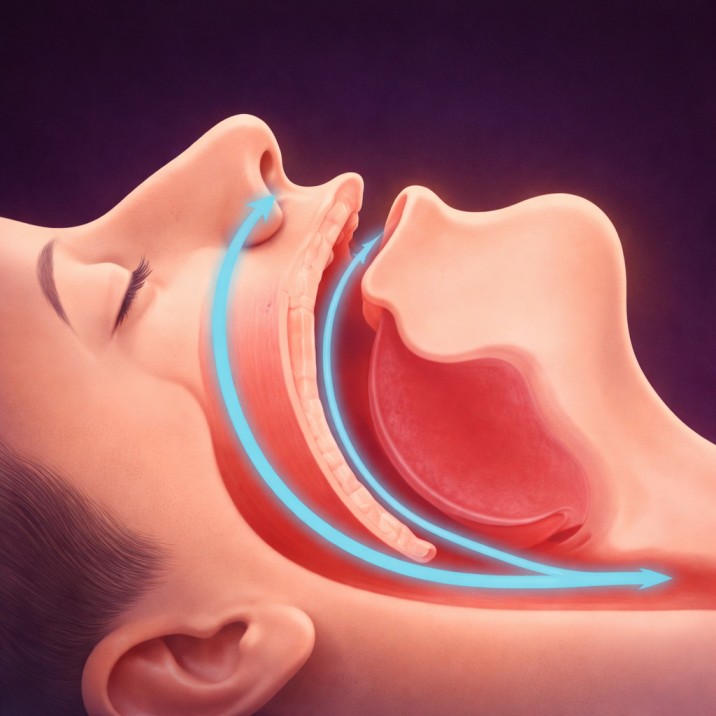
Normal breathing open airway, Tongue relaxed (falling slightly back)
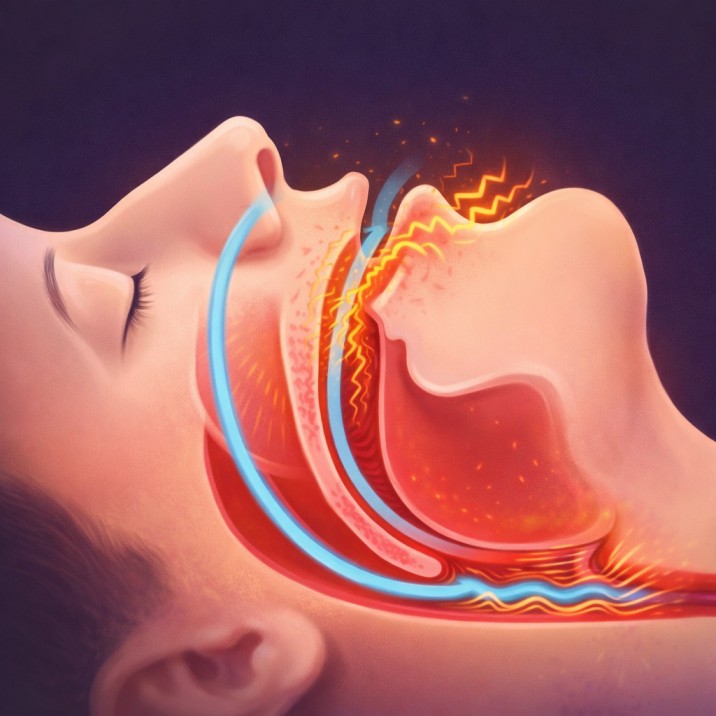
Snoring partially blocked airway, When the constricted airway causes vibration
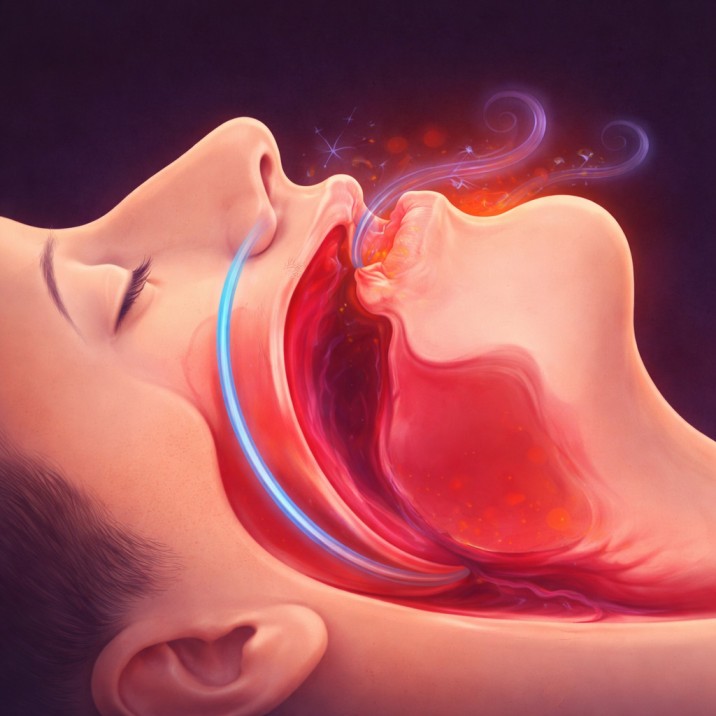
Fully blocked airway
The most common types of sleep studies are the Lab Studies and the Home Studies.
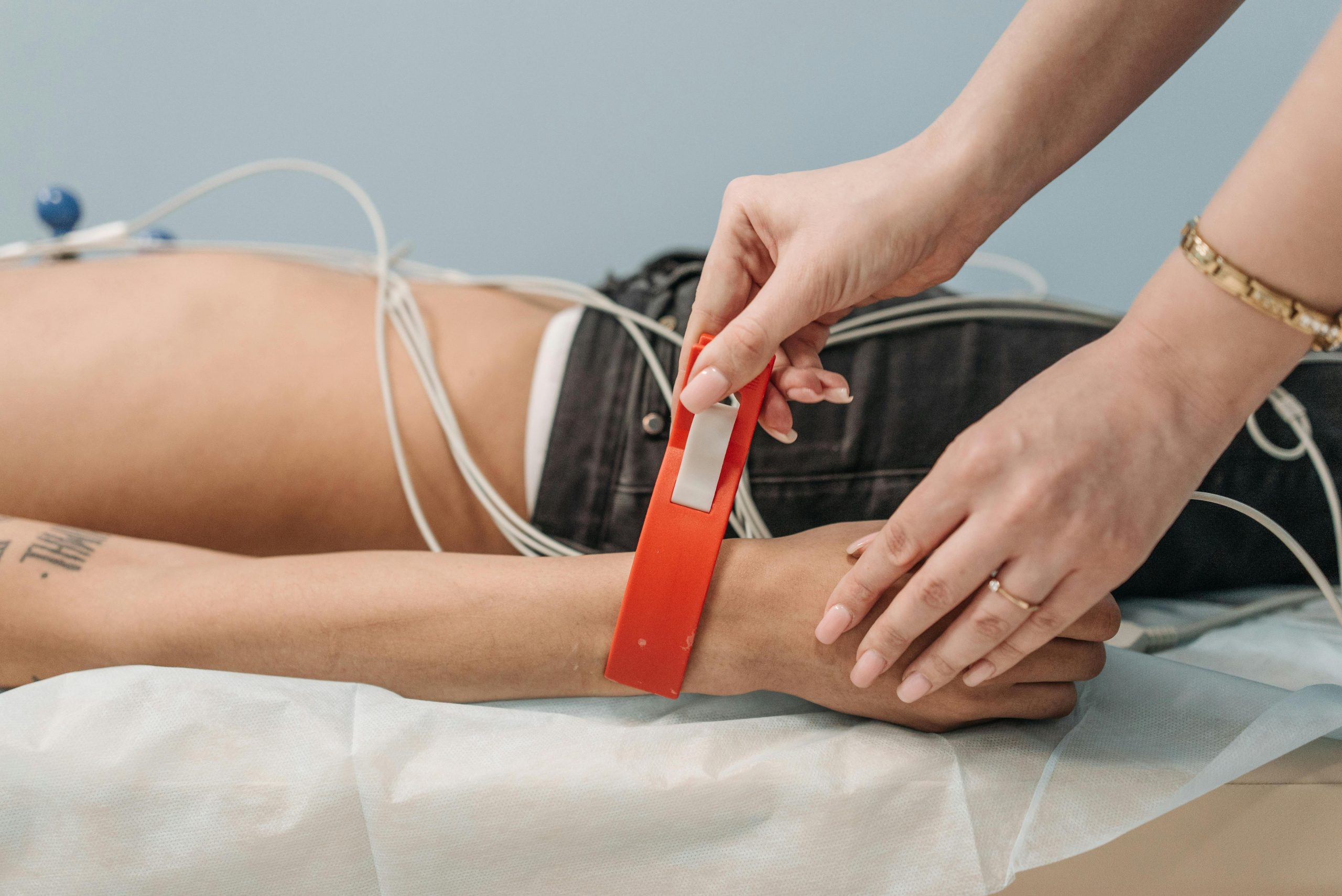
An in-lab sleep study is conducted in a sleep clinic or hospital. During the study, the patient spends the night in the sleep lab, monitored by a sleep technician. The sleep scientist places electrodes on the patient’s scalp, face, chest, and limbs to measure brain activity, heart rate, oxygen levels, and other physiological functions. The sleep scientist also observes the patient’s breathing and body movements.
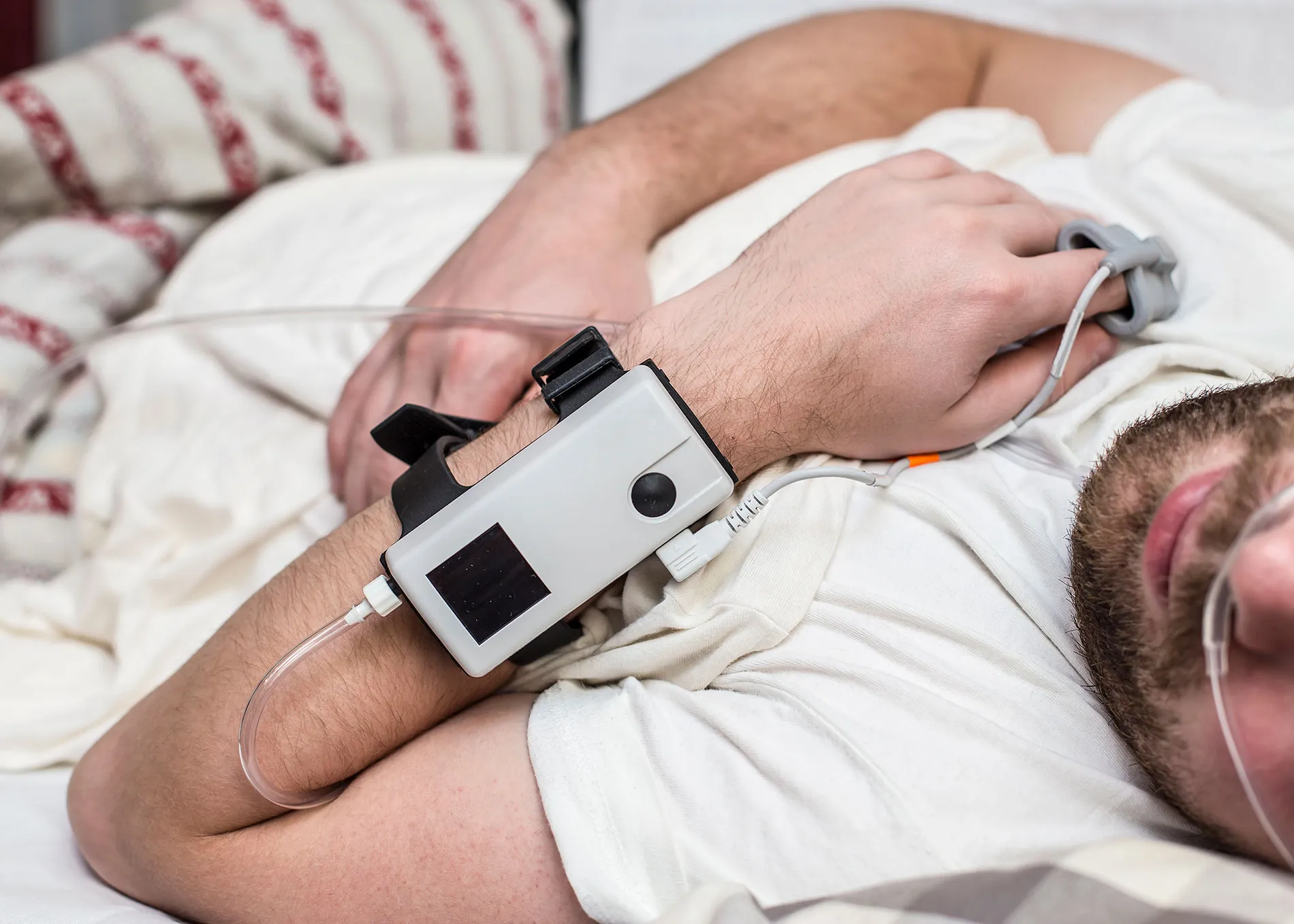
A home sleep study is a portable version of the in-lab sleep study that can be conducted in the patient’s home. The patient will be provided with a device to wear on their wrist or finger, and usually a sensor around their chest to monitor breathing patterns and oxygen levels. They will be instructed on how to set up and use the device and will return it to the sleep clinic for analysis the next day.
Don’t let snoring or sleep apnoea hold you back. Book your consultation with Peninsula Snore Clinic and take control of your sleep health.