
Sleep apnoea in kids is a serious but treatable condition that can affect a child’s breathing, sleep quality, behaviour, and overall development. When left untreated, paediatric sleep apnoea may lead to learning difficulties, growth issues, and long-term health concerns. Early diagnosis and appropriate treatment can effectively manage sleep apnoea in children and support healthy growth and development.

What Is Sleep Apnoea in Children?
Sleep apnoea is a sleep-related breathing disorder in which airflow is partially or completely blocked during sleep. In children, the most common type is Obstructive Sleep Apnoea (OSA), caused by airway obstruction rather than a neurological issue.
Common Symptoms of Sleep Apnoea in Kids
Children with sleep apnoea may show symptoms such as:
- Loud, habitual snoring
- Pauses in breathing during sleep
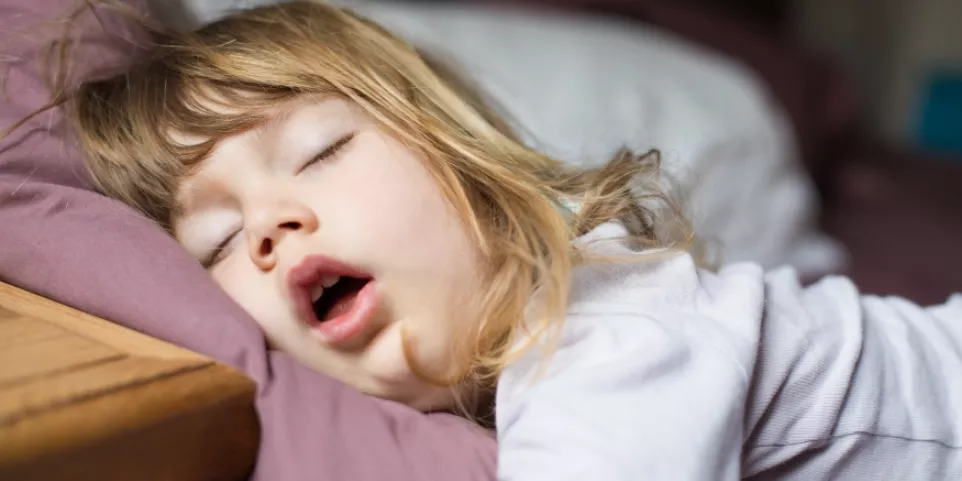
- Mouth breathing
- Restless sleep or night waking
- Behavioural issues or poor concentration
- Morning headaches
Recognising these signs early allows for timely assessment and treatment.
Causes of Sleep Apnoea in Children
Sleep apnoea in children can be caused by several factors, including:
- Enlarged tonsils and adenoids
- Narrow airway or jaw structure
- Excess weight
- Allergies or chronic nasal congestion
- Certain medical or genetic conditions
Understanding the underlying cause is critical for selecting the most effective treatment.
How to Treat Sleep Apnoea in Kids
Tonsil and Adenoid Removal (Adenotonsillectomy)
For many children, enlarged tonsils and adenoids are the primary cause of airway obstruction. Surgical removal is often the first-line treatment and can significantly improve or resolve sleep apnoea symptoms.
Continuous Positive Airway Pressure (CPAP) Therapy
CPAP therapy delivers pressurised air through a mask to keep the airway open during sleep. It is commonly recommended when surgery is not suitable or when sleep apnoea persists after surgical treatment.
Oral Appliance Therapy for Sleep Apnoea
Custom-fitted oral appliances reposition the lower jaw and tongue to help maintain an open airway during sleep. These are typically recommended for mild to moderate obstructive sleep apnoea and for selected older children and adolescents.
Weight Management and Lifestyle Changes
For children where excess weight contributes to airway obstruction, healthy lifestyle changes such as balanced nutrition and regular physical activity can significantly improve sleep apnoea symptoms.
Allergy and Nasal Treatment
Managing allergies and chronic nasal congestion can reduce airway resistance and improve nighttime breathing, particularly when used alongside other treatments.
The Importance of Early Diagnosis
Early diagnosis of sleep apnoea in kids can help prevent complications such as learning difficulties, behavioural issues, cardiovascular strain, and delayed growth. A sleep study or clinical assessment is often required to confirm the diagnosis.
Can Sleep Apnoea in Kids Be Cured?
In many cases, childhood sleep apnoea can be resolved, particularly when the underlying cause is treated early. However, some children may require ongoing monitoring or long-term management as they grow.
Final Thoughts
Understanding how to treat sleep apnoea in kids helps parents take proactive steps toward better sleep and improved health outcomes. With modern medical and dental treatment options, most children experience significant improvements in sleep quality, behaviour, and overall wellbeing.