
Many people newly diagnosed with sleep apnoea ask the same question: can sleep apnoea be cured? The answer depends on the type of sleep apnoea, its underlying cause, and how early it is identified. While there is no single universal cure, modern treatment approaches can effectively control symptoms, reduce health risks, and restore healthy sleep for many patients.
Understanding what “cure” really means in the context of sleep apnoea is key to setting realistic expectations.
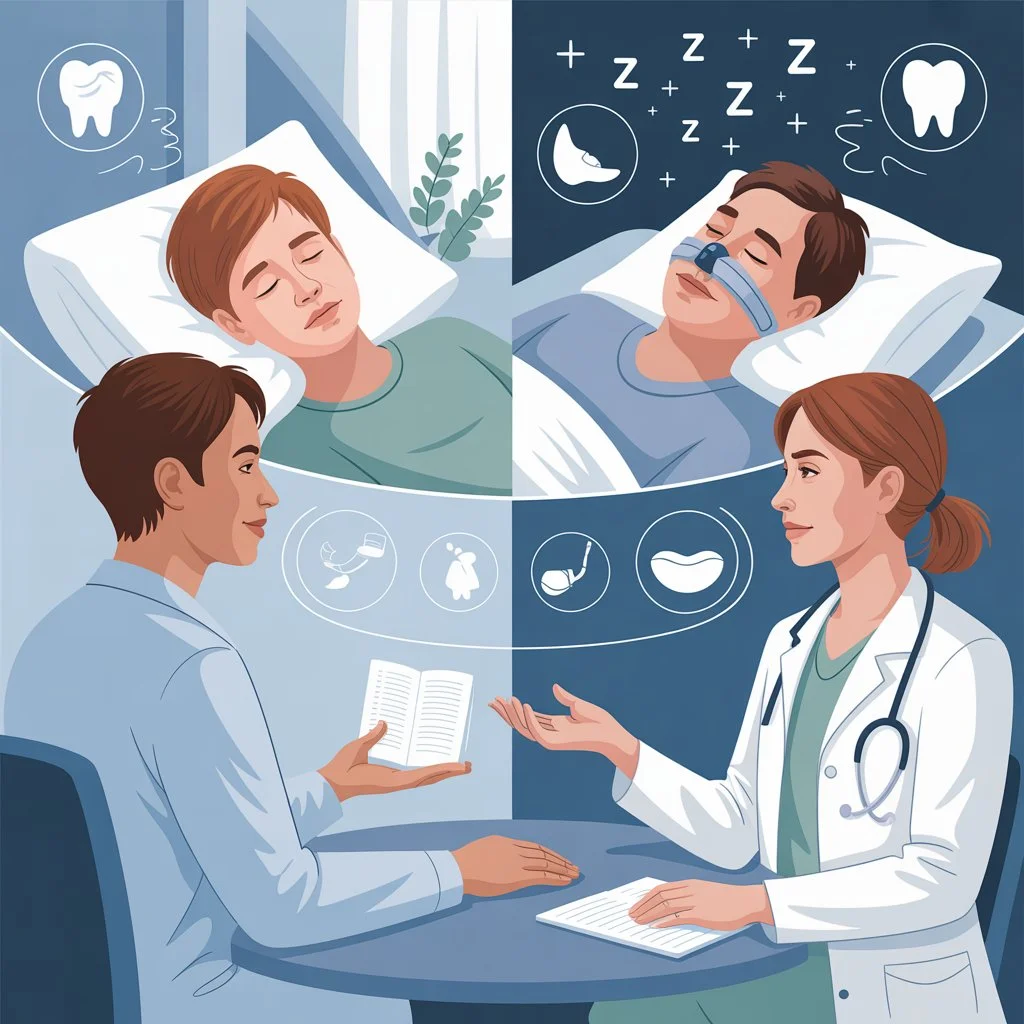
What Does “Cured” Mean in Sleep Apnoea Treatment?
In medical terms, a cure implies that a condition is permanently eliminated without the need for ongoing management. Sleep apnoea, particularly obstructive sleep apnoea (OSA), is usually caused by anatomical and physiological factors that persist over time.
For this reason, sleep apnoea is generally considered a manageable condition rather than a curable one. However, effective treatment can control breathing interruptions so well that symptoms and health risks are significantly reduced.
Types of Sleep Apnoea and Their Treatability
According to the Mayo Clinic, there are three main types of sleep apnoea: obstructive sleep apnoea, central sleep apnoea, and complex sleep apnoea. Each type has a different underlying cause and requires a tailored approach to management and treatment.
Obstructive Sleep Apnoea (OSA)
OSA is the most common form and occurs when the airway collapses during sleep. While it is rarely “cured” permanently, it can be successfully managed with appropriate treatment.
Central Sleep Apnoea (CSA)
CSA is related to the brain’s control of breathing rather than airway collapse. Treatment focuses on addressing the underlying neurological or medical cause.
Complex Sleep Apnoea
This form involves both obstructive and central components and typically requires coordinated care with a sleep physician.
Can Lifestyle Changes Cure Sleep Apnoea?
In some cases, lifestyle modifications can reduce the severity of sleep apnoea, particularly in mild cases. These may include:
- Weight management
- Reducing alcohol consumption
- Changing sleep position
- Managing nasal congestion
While these changes may improve symptoms, they rarely eliminate sleep apnoea entirely, especially when anatomical factors are involved.
Are There Permanent Medical or Surgical Cures?
Surgical procedures may be considered in select cases to address specific airway obstructions. However, outcomes vary, and surgery does not guarantee a permanent resolution for most patients.
Because sleep apnoea often involves multiple contributing factors, surgery alone is not considered a reliable cure and is typically reserved for carefully selected cases.
How Treatment Effectively Controls Sleep Apnoea
Although sleep apnoea may not be permanently cured, it can be very effectively managed. Common treatment options include:
CPAP Therapy
Continuous Positive Airway Pressure therapy keeps the airway open using pressurised air. While highly effective, some patients struggle with long-term comfort and compliance.
Oral Appliance Therapy
Custom-fitted oral appliances reposition the lower jaw to help maintain an open airway during sleep. These devices are discreet, comfortable, and effective for many patients with mild to moderate OSA.
Why Early Diagnosis Makes a Difference
Early identification allows treatment to begin before long-term health complications develop. When managed early, many people experience:
- Improved sleep quality
- Increased daytime energy
- Reduced cardiovascular risk
- Better overall wellbeing
Ongoing follow-up ensures treatment remains effective as health and lifestyle factors change.
Can Sleep Apnoea Return After Treatment?
If treatment is discontinued, symptoms usually return. This does not mean treatment has failed—it simply reflects the ongoing nature of the condition. Long-term management is often required to maintain healthy breathing during sleep.
This is similar to other chronic conditions that are controlled rather than cured.
Final Answer: Can Sleep Apnoea Be Cured?
Sleep apnoea is rarely cured in the traditional sense, but it can be successfully controlled with appropriate, personalised treatment. With the right approach, many patients achieve restful sleep, reduced health risks, and a significant improvement in quality of life.
The goal of treatment is not just symptom relief, but long-term protection of your health.