
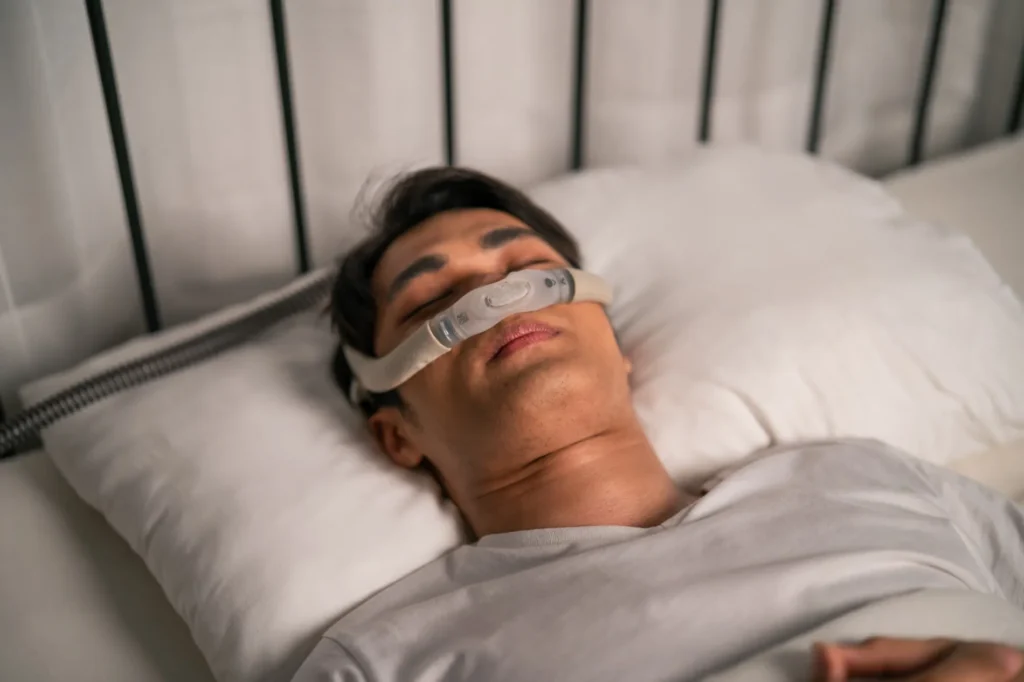
Choosing the right sleep apnoea treatment can feel overwhelming when you’re faced with multiple options. The decision between oral appliance therapy and CPAP machines represents one of the most important choices you’ll make for your sleep health and overall quality of life.
Understanding which is better MAS or CPAP for sleep apnoea depends on numerous personal factors including your condition severity, lifestyle preferences, and individual comfort needs. This comprehensive guide will help you navigate the key considerations when deciding between mandibular advancement splints and CPAP therapy.
The choice between these treatments isn’t simply about effectiveness—it’s about finding the solution that you’ll actually use consistently. Research shows that treatment compliance plays a crucial role in long-term success, making personal comfort and lifestyle compatibility essential factors in your decision-making process.
Understanding Your Sleep Apnoea Severity and Treatment Requirements
Your sleep apnoea severity, measured through the Apnoea-Hypopnoea Index (AHI), serves as the foundation for treatment selection. Mild sleep apnoea (AHI 5-15) often responds excellently to oral appliance therapy, whilst moderate cases (AHI 15-30) may benefit from either treatment option depending on individual circumstances.
Sleep study results provide crucial information beyond just AHI scores. The type of breathing events, oxygen desaturation levels, and sleep architecture disruption all influence treatment recommendations. Patients with predominantly obstructive events typically respond well to oral appliance therapy, whilst those with central sleep apnoea components may require CPAP therapy.
Severe sleep apnoea (AHI >30) traditionally warranted CPAP as first-line treatment, but recent research demonstrates that carefully selected patients can achieve excellent outcomes with advanced oral appliances. The key lies in proper patient selection and ongoing monitoring to ensure treatment effectiveness.
Your sleep physician will consider additional factors from your sleep study, including sleep position dependency, REM-related events, and arousal patterns. These details help predict which treatment approach will provide optimal results for your specific sleep disorder presentation.
Lifestyle Factors That Influence Treatment Choice
Travel frequency significantly impacts treatment choice for many patients. CPAP machines require power sources, distilled water, and careful handling during transport, making frequent travel challenging. In contrast, oral appliances fit easily in carry-on luggage and require no special accommodations.
Key lifestyle considerations include:
- Work schedules and shift patterns affecting sleep timing
- Bedroom space limitations that may restrict CPAP equipment placement
- Partner sleep disruption concerns from CPAP noise or mask air leaks
- Maintenance time availability for daily equipment cleaning and setup
- Camping, hiking, or outdoor activities where power access is limited
Professional demands also influence treatment selection. Business travellers, shift workers, and those with irregular schedules often find oral appliances more practical for maintaining consistent treatment compliance. The silent operation of custom sleep apnoea mouthguards eliminates concerns about disturbing colleagues during business travel.
Portability advantages of oral appliances:
- No electricity requirements for operation
- Compact size fits in shirt pockets or small travel cases
- No water reservoirs or tubing to manage
- Silent operation suitable for shared accommodations
- Immediate use without setup time or equipment checks
Social considerations matter significantly for younger patients or those in new relationships. The discretion offered by oral appliances can reduce anxiety about treatment visibility and improve overall quality of life during the adjustment period.
Comfort and Tolerance Considerations for Long-Term Success
Claustrophobia and mask anxiety represent significant barriers to CPAP success for many patients. The sensation of air pressure and facial covering can trigger anxiety responses that make consistent use challenging. Oral appliances eliminate these concerns by working entirely within the mouth without covering the face or nose.
Jaw comfort and temporomandibular joint (TMJ) considerations are crucial for oral appliance success. Patients with existing jaw problems may experience initial discomfort, though most adapt well with proper fitting and gradual adjustment. Modern mandibular advancement splints incorporate design features that minimise jaw strain whilst maintaining treatment effectiveness.
Dry mouth and nasal congestion affect both treatment options differently. CPAP therapy can cause nasal dryness and congestion, particularly with mouth breathing patterns. Oral appliances may initially increase saliva production but typically normalise within weeks of consistent use.
Sleep position preferences play important roles in treatment tolerance. CPAP masks can restrict comfortable sleeping positions, whilst oral appliances allow complete freedom of movement during sleep. Side sleepers often find oral appliances more comfortable, whilst back sleepers may adapt well to either treatment option.
The adaptation period varies significantly between treatments. CPAP therapy often requires several weeks to months for complete comfort, with pressure adjustments and mask fitting refinements. Oral appliances typically show faster adaptation, with most patients comfortable within the first week of use.
Medical Conditions That May Favour One Treatment Over Another
Dental health requirements significantly impact oral appliance suitability. Patients need sufficient healthy teeth to support the appliance, adequate jaw mobility, and absence of severe periodontal disease. Recent dental work or planned procedures may temporarily contraindicate oral appliance therapy.
Medical conditions favouring CPAP therapy:
- Severe sleep apnoea with significant oxygen desaturation
- Central sleep apnoea components requiring pressure support
- Chronic obstructive pulmonary disease (COPD) with CO2 retention
- Severe nasal obstruction preventing mouth breathing
- Recent jaw surgery or temporomandibular joint disorders
Conditions favouring oral appliance therapy:
- Claustrophobia or anxiety disorders triggered by facial coverings
- Chronic sinusitis or nasal congestion affecting CPAP tolerance
- Frequent travel or irregular sleep schedules
- Partner intolerance of CPAP noise or air leaks
- Previous CPAP failure due to compliance issues
Cardiovascular conditions require careful consideration of treatment urgency. Patients with recent heart attacks, unstable angina, or severe heart failure may need immediate CPAP therapy for rapid symptom control, with oral appliance therapy considered once cardiovascular stability is achieved.
Age-related factors influence treatment selection, with older patients sometimes preferring the simplicity of oral appliances over complex CPAP equipment management. However, age alone shouldn’t determine treatment choice, as individual health status and preferences remain paramount.
Cost Analysis and Insurance Coverage Factors
Initial investment costs differ significantly between treatment options. CPAP machines typically cost between $1,500-$4,000 including masks and accessories, whilst custom oral appliances range from $2,000-$3,000 depending on design complexity and materials used.
Ongoing maintenance costs favour oral appliances over time. CPAP therapy requires regular replacement of masks, tubing, filters, and water chambers, typically costing $500-$800 annually. Oral appliances require minimal ongoing costs beyond occasional adjustments and eventual replacement after 3-7 years of use.
Insurance coverage varies significantly between treatments and providers. Medicare and most private health insurers cover CPAP therapy readily, whilst oral appliance coverage may require prior authorisation or demonstration of CPAP intolerance. Understanding your specific coverage details helps inform treatment decisions.
Long-term financial implications extend beyond direct treatment costs. Successful treatment reduces healthcare utilisation for sleep apnoea-related complications, potentially saving thousands in cardiovascular, diabetes, and accident-related expenses over time.
Replacement schedules differ substantially between treatments. CPAP equipment requires regular component replacement throughout its lifespan, whilst oral appliances typically function effectively for several years with minimal maintenance requirements.
Effectiveness Comparison Based on Individual Circumstances
Success rates vary based on sleep apnoea severity and patient selection criteria. For mild to moderate sleep apnoea, oral appliances demonstrate success rates of 70-90% when properly fitted and adjusted. CPAP therapy shows higher initial success rates across all severity levels but faces significant compliance challenges.
Compliance rates comparison reveals important differences:
- CPAP therapy: 50-70% of patients achieve adequate nightly use
- Oral appliances: 80-90% of patients maintain consistent use
- Combination therapy: May improve outcomes for selected patients
Monitoring and adjustment requirements differ between treatments. CPAP therapy allows real-time data collection and remote monitoring, enabling precise pressure adjustments. Oral appliances require periodic clinical assessments and manual adjustments to optimise effectiveness.
When to consider switching treatments:
- CPAP intolerance despite multiple mask trials and pressure adjustments
- Oral appliance ineffectiveness confirmed by follow-up sleep studies
- Lifestyle changes affecting treatment practicality
- Medical condition changes influencing treatment suitability
- Patient preference changes after experiencing both options
Combination therapy represents an emerging approach for selected patients. Some individuals benefit from using CPAP at home and oral appliances during travel, or alternating between treatments based on circumstances.
Making the Right Decision: Questions to Ask Your Sleep Specialist
Essential questions about treatment suitability:
- Based on my sleep study results, which treatment offers the best chance of success?
- What are the specific contraindications for each treatment option in my case?
- How will my other medical conditions affect treatment choice and effectiveness?
- What lifestyle factors should I prioritise when making this decision?
Trial period and adjustment options:
- Can I trial both treatments before making a final decision?
- What adjustment period should I expect for each treatment option?
- How quickly will we know if the chosen treatment is working effectively?
- What backup plans exist if my first choice doesn’t work well?
Follow-up care and monitoring requirements:
- How often will I need appointments for treatment monitoring and adjustments?
- What signs should prompt me to contact you between scheduled visits?
- How will treatment effectiveness be measured and monitored over time?
- What long-term care requirements should I expect for each option?
Success measurement and expectations:
- What realistic outcomes should I expect from each treatment option?
- How will we measure treatment success beyond just AHI improvement?
- What quality of life improvements typically occur with successful treatment?
- How long before I should expect to notice significant improvements?
Seeking consultation with a qualified sleep apnoea assessment specialist ensures you receive personalised recommendations based on your unique circumstances and medical history.
Getting Started with Your Chosen Treatment Approach
Once you’ve made your treatment decision, preparation becomes crucial for success. For oral appliance therapy, ensure your dental health is optimised before beginning treatment. Address any outstanding dental issues and discuss your sleep apnoea treatment plans with your dentist.
Finding qualified providers requires research into their experience and credentials. Look for sleep medicine specialists or dentists with specific training in sleep apnoea treatment and oral appliance therapy. Peninsula Snore Clinic offers comprehensive assessment and oral appliance fitting services for patients throughout the Mornington Peninsula region.
Realistic expectations help ensure treatment satisfaction. Oral appliances typically show improvement within the first few nights, with optimal results achieved after several weeks of adjustments. CPAP therapy may require longer adaptation periods but often provides more immediate symptom relief.
Preparation for treatment initiation includes understanding the fitting process, adjustment schedule, and follow-up requirements. For oral appliances, this involves dental impressions, custom fabrication, and careful fitting appointments to ensure optimal comfort and effectiveness.
Ongoing support importance cannot be overstated for long-term treatment success. Regular follow-up appointments, adjustment availability, and access to troubleshooting support help maintain treatment effectiveness and patient satisfaction over time.
The journey to better sleep begins with making an informed treatment choice that aligns with your individual needs, preferences, and circumstances. Whether you choose oral appliance therapy or CPAP treatment, consistent use and proper follow-up care remain essential for achieving optimal outcomes and improving your overall quality of life.