
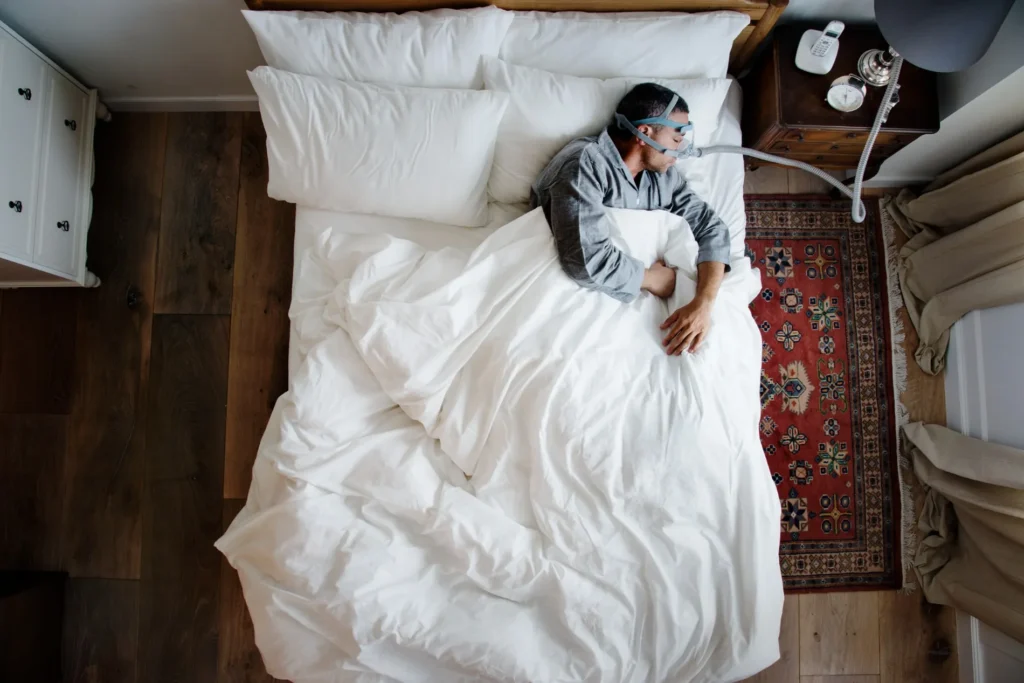
Choosing the right sleep apnoea treatment can feel overwhelming when you’re already exhausted from poor sleep. With multiple treatment options available, from traditional CPAP machines to modern oral appliances, making an informed decision requires understanding how each option aligns with your lifestyle, health needs, and personal preferences. This comprehensive guide will help you navigate the key factors that should influence your treatment choice, ensuring you find the most effective solution for your individual circumstances.
Understanding Your Sleep Apnoea Treatment Choice
When diagnosed with obstructive sleep apnoea, you’ll typically encounter two primary treatment categories: machine-based therapy and oral appliance therapy. Each approach addresses the fundamental problem of airway obstruction during sleep but through different mechanisms.
CPAP (Continuous Positive Airway Pressure) machines work by delivering pressurised air through a mask to keep your airway open throughout the night. This established treatment has been the gold standard for decades and proves highly effective for severe cases of sleep apnoea.
Oral appliance therapy, particularly mandibular advancement splints, offers a different approach. These custom-fitted devices gently advance your lower jaw forward, creating more space in your upper airway and preventing collapse during sleep. This treatment method has gained significant recognition as an effective CPAP alternative for many patients.
The success of any sleep apnoea treatment depends heavily on consistent use and proper fitting. Professional diagnosis through a sleep study remains essential before beginning any treatment, as the severity of your condition will significantly influence which options are most suitable for your specific needs.
What Factors Should Influence Your Treatment Decision
Severity of Your Condition
The severity of your sleep apnoea plays a crucial role in determining suitable treatment options. Mild to moderate obstructive sleep apnoea often responds excellently to oral appliance therapy, while severe cases may require the higher pressure delivery that CPAP machines provide.
Your sleep study results will indicate your Apnoea-Hypopnoea Index (AHI), which measures the number of breathing interruptions per hour. This objective measurement helps guide treatment recommendations and ensures you receive appropriate therapy for your condition’s severity.
Lifestyle and Travel Considerations
Consider how treatment will integrate with your daily routine and travel requirements. CPAP machines require electricity, distilled water, and careful packing for travel. The equipment can be bulky and may present challenges during camping trips or international travel.
Custom sleep apnoea mouthguards offer exceptional portability, fitting easily in your pocket or travel bag. They require no electricity, produce no noise, and eliminate the need for distilled water or cleaning solutions while travelling.
Comfort and Sleep Position Preferences
Your preferred sleep position significantly impacts treatment comfort. Side sleepers often find CPAP masks challenging, particularly if they move frequently during sleep. Mask displacement can reduce treatment effectiveness and cause air leaks that disturb both you and your partner.
Oral appliances work effectively regardless of sleep position and don’t restrict movement during sleep. Many patients find them more comfortable for side sleeping and appreciate the freedom to move naturally throughout the night.
Partner Considerations
The impact on your sleeping partner deserves serious consideration. CPAP machines can produce noise from the motor, air leaks, and mask displacement. Some partners find the equipment visually intrusive or feel disconnected due to the physical barrier the mask creates.
Mandibular advancement splints operate silently and don’t create physical barriers between partners. This can significantly improve relationship dynamics and ensure both partners achieve better sleep quality.
Long-term Maintenance Requirements
Evaluate the ongoing maintenance each treatment requires. CPAP machines need regular cleaning of multiple components, filter replacements, and periodic equipment updates. The daily cleaning routine can be time-consuming, and equipment failures may interrupt treatment.
Oral appliances require minimal maintenance – typically just daily brushing and weekly soaking in cleaning solution. This simplified care routine often leads to better long-term compliance and reduced ongoing costs.
Comprehensive Comparison: Machine-Based vs Oral Appliance Treatments
Effectiveness Rates
Both CPAP machines and oral appliances demonstrate high effectiveness rates when used consistently. CPAP therapy shows excellent results across all severity levels, with success rates often exceeding 95% when properly fitted and used nightly.
Oral appliance therapy demonstrates effectiveness rates of 70-90% for mild to moderate obstructive sleep apnoea. The success rate depends on proper fitting, regular adjustments, and patient compliance. Many patients who struggle with CPAP compliance find oral appliances more sustainable long-term.
Comfort and Adaptation Period
CPAP Machine Comfort Factors:
- Initial claustrophobia or mask anxiety affects some users
- Pressure sensation may feel unnatural initially
- Mask fit issues can cause air leaks and skin irritation
- Dry mouth or nasal congestion may occur
- Equipment noise may disturb light sleepers
Oral Appliance Comfort Factors:
- Initial jaw soreness typically resolves within 1-2 weeks
- Gradual adjustment period allows comfortable adaptation
- No facial contact or breathing apparatus required
- Silent operation eliminates noise concerns
- Natural breathing patterns maintained
Portability and Travel Convenience
CPAP equipment requires careful planning for travel. Airlines have specific regulations for medical devices, and international travel may require voltage converters. The equipment weight and size can impact luggage allowances and packing convenience.
Custom sleep apnoea mouthguards excel in portability. They weigh less than 100 grams, require no special handling during security checks, and eliminate concerns about power availability or equipment damage during travel.
Side Effects and Complications
CPAP-Related Side Effects:
- Skin irritation from mask contact
- Nasal congestion or dryness
- Bloating from swallowed air
- Mask displacement during sleep
- Equipment-related sleep disruption
Oral Appliance Side Effects:
- Temporary jaw discomfort during adjustment
- Minor tooth movement and bite changes (rare with proper fitting)
- Increased salivation initially
- Potential TMJ considerations for susceptible individuals
Maintenance and Hygiene Requirements
CPAP maintenance involves daily cleaning of the mask, tubing, and water chamber. Weekly deep cleaning, filter replacements, and periodic equipment servicing add to the maintenance burden. Equipment failures can interrupt treatment until repairs or replacements are obtained.
Oral appliances require simple daily brushing with a toothbrush and weekly soaking in denture cleaner or specialised appliance cleaner. The durable construction typically provides years of reliable service with minimal maintenance requirements.
How to Determine If You’re Suitable for Oral Appliance Therapy
Candidacy for oral appliance therapy depends on several clinical and anatomical factors. Understanding these criteria helps determine whether mandibular advancement splints represent a viable treatment option for your specific situation.
Dental Health Requirements
Adequate dental health forms the foundation for successful oral appliance therapy. You need sufficient healthy teeth to support the appliance, typically requiring at least 8-10 teeth per arch. Existing dental work such as crowns or bridges doesn’t necessarily disqualify you, but your dentist will assess the stability and condition of your dental structures.
Severe gum disease or loose teeth may require treatment before oral appliance fitting. However, many patients with minor dental issues can still benefit from this therapy with appropriate modifications to the appliance design.
Jaw Mobility and TMJ Considerations
Adequate jaw mobility is essential for mandibular advancement splints to function effectively. Your dentist will assess your jaw’s range of motion and ability to comfortably advance forward. Most patients can achieve the necessary jaw advancement, typically 6-10 millimetres forward from the resting position.
Existing TMJ (temporomandibular joint) disorders require careful evaluation. While some patients with mild TMJ symptoms tolerate oral appliances well, severe TMJ dysfunction may contraindicate this treatment approach. Your sleep specialist will work with you to determine the most appropriate option.
Sleep Apnoea Severity Limitations
Oral appliance therapy proves most effective for mild to moderate obstructive sleep apnoea. Patients with AHI scores between 5-30 events per hour typically achieve excellent results. However, some patients with severe sleep apnoea may also benefit, particularly if they cannot tolerate CPAP therapy.
Your sleep study results, combined with clinical assessment, help determine whether oral appliance therapy can adequately address your specific condition severity. In some cases, combination therapy or alternative approaches may be recommended.
Anatomical Considerations
Certain anatomical features influence oral appliance success rates. Patients with primarily tongue-based obstruction often respond well to mandibular advancement. However, those with significant soft palate or lateral pharyngeal wall collapse may require different treatment approaches.
Your sleep specialist will evaluate your upper airway anatomy, often using clinical examination or imaging studies to assess the likely effectiveness of oral appliance therapy for your specific anatomical presentation.
Making the Right Choice: Key Questions to Ask Your Sleep Specialist
Treatment Effectiveness Questions
“What success rate can I expect with each treatment option given my specific condition?”
Understanding realistic expectations helps you make informed decisions. Ask about success rates for patients with similar severity levels and anatomical features to yours.
“How will we measure treatment success and monitor progress?”
Clarify the follow-up process, including repeat sleep studies, symptom tracking, and objective measures used to assess treatment effectiveness.
“What happens if my first choice doesn’t work effectively?”
Discuss backup plans and alternative options. Understanding the pathway forward if initial treatment proves inadequate provides peace of mind.
Lifestyle Integration Questions
“How will each treatment option impact my daily routine and travel plans?”
Discuss practical considerations including maintenance requirements, travel logistics, and integration with your lifestyle preferences.
“What support and adjustment services do you provide?”
Understanding ongoing care, adjustment appointments, and troubleshooting support helps ensure long-term treatment success.
Cost and Insurance Questions
“What are the total costs involved, including ongoing maintenance and follow-up care?”
Request comprehensive cost breakdowns including initial fitting, adjustments, replacements, and long-term maintenance expenses.
“How does insurance coverage differ between treatment options?”
Insurance coverage varies significantly between CPAP and oral appliance therapy. Understanding your specific coverage helps inform financial planning.
Timeline and Expectations Questions
“What should I expect during the initial adjustment period?”
Realistic expectations about adaptation timelines, potential side effects, and improvement patterns help you prepare for treatment success.
“How quickly will I notice improvements in my sleep quality and daytime symptoms?”
Understanding typical improvement timelines helps set appropriate expectations and maintain motivation during the adjustment period.
What to Expect During Your Treatment Journey
The treatment journey begins with a comprehensive consultation where your sleep specialist reviews your sleep study results, medical history, and lifestyle factors. This initial assessment determines your candidacy for different treatment options and helps identify the most suitable approach for your individual needs.
Initial Consultation and Assessment Process
During your first appointment, expect a thorough examination of your oral cavity, jaw mobility, and dental health. Your specialist will discuss your sleep study results, explain how different treatments address your specific type of sleep apnoea, and answer questions about each option’s benefits and limitations.
If you’re considering oral appliance therapy, digital scans of your teeth will be taken to create precise impressions for your custom device. This advanced technology ensures optimal fit and comfort while eliminating the discomfort of traditional impression materials.
Fitting and Adjustment Period
For oral appliances, the fitting appointment involves careful adjustment of your custom device to ensure comfort and effectiveness. Your specialist will guide you through proper insertion and removal techniques, cleaning instructions, and what to expect during the initial adaptation period.
The first few nights may involve minor jaw discomfort as your muscles adapt to the new position. This typically resolves within 1-2 weeks as your jaw adjusts to the gentle advancement. Regular follow-up appointments allow for fine-tuning to optimise both comfort and treatment effectiveness.
Ongoing Monitoring and Long-term Care
Successful treatment requires ongoing monitoring to ensure continued effectiveness. Follow-up appointments typically occur at 2 weeks, 3 months, and then annually, with additional visits as needed for adjustments or concerns.
Your specialist will track your symptom improvement, partner feedback, and objective measures of treatment success. This comprehensive monitoring approach ensures your treatment continues delivering optimal results and allows for modifications as your needs change over time.
Common Myths About Sleep Apnoea Treatment Options Debunked
“Oral Appliances Are Less Effective Than CPAP Machines”
This misconception stems from outdated information about early oral appliance designs. Modern mandibular advancement splints demonstrate excellent effectiveness rates for appropriate candidates, with many studies showing comparable outcomes to CPAP therapy for mild to moderate sleep apnoea.
The key lies in proper patient selection, precise fitting, and ongoing adjustments. When these factors align correctly, oral appliances can achieve success rates of 70-90%, making them a highly viable treatment option.
“CPAP Is the Only Treatment for Severe Sleep Apnoea”
While CPAP remains the first-line treatment for severe sleep apnoea, it’s not the only option. Some patients with severe conditions who cannot tolerate CPAP may benefit from oral appliances, particularly when combined with other interventions such as positional therapy or weight management.
Treatment decisions should always be individualised based on patient factors, compliance likelihood, and comprehensive assessment rather than severity scores alone.
“Oral Appliances Will Damage Your Teeth or Jaw”
Properly fitted oral appliances, when created and monitored by qualified professionals, rarely cause significant dental or jaw problems. Modern appliance designs and materials minimise the risk of tooth movement or TMJ complications.
Regular monitoring appointments allow early detection and correction of any minor issues, ensuring long-term oral health while maintaining treatment effectiveness.
“You Can’t Travel With CPAP Equipment”
While CPAP travel requires planning, it’s certainly possible with proper preparation. Airlines accommodate medical devices, and portable CPAP units are available for travel convenience.
However, the complexity and bulk of CPAP equipment does make travel more challenging compared to the exceptional portability of oral appliances, which require no special considerations or equipment.
Taking the Next Step Towards Better Sleep
Choosing between sleep apnoea treatment options represents a significant decision that impacts your health, relationships, and quality of life. The most important step is scheduling a comprehensive consultation with a qualified sleep specialist who can assess your individual needs and guide you towards the most appropriate treatment option.
Remember that successful treatment depends not just on the therapy chosen, but on your commitment to consistent use and ongoing care. Whether you choose CPAP therapy or oral appliance therapy, the key to success lies in working closely with your healthcare team to ensure optimal fitting, comfort, and effectiveness.
Don’t let another night of poor sleep impact your health and wellbeing. The journey to better sleep begins with taking action. Book a consultation today to discuss your treatment options and discover which approach offers the best solution for your individual needs. Your path to restful sleep and improved health starts with that first conversation with a qualified sleep specialist who understands your unique situation and can guide you towards the most effective treatment for your lifestyle and preferences.