
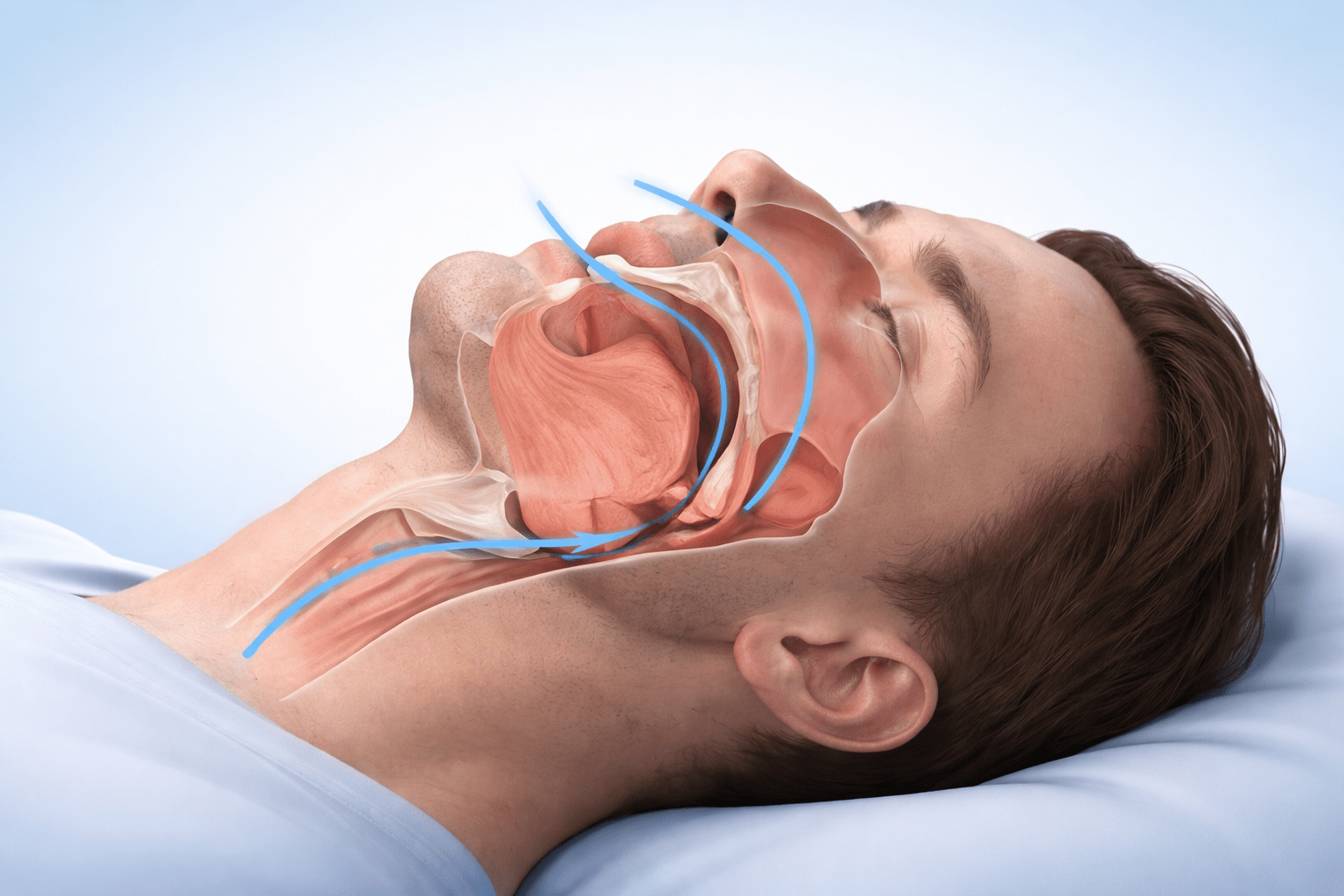
Sleep apnoea is more than a nighttime breathing problem. When breathing repeatedly pauses during sleep, the body is forced to function under stress for hours at a time. If the condition remains untreated, this nightly strain can gradually affect vital organs, mental wellbeing, and overall quality of life.
Many individuals are unaware of the condition until health issues begin to appear, making education and early assessment critical.
The Hidden Stress Caused by Interrupted Breathing
Each time breathing stops during sleep, oxygen levels fall and the brain briefly wakes the body to restart airflow. These interruptions may happen dozens—or even hundreds—of times per night.
Although the person may not remember waking, the body never reaches consistent deep sleep. Over time, this constant disruption prevents recovery, weakens normal regulatory systems, and places pressure on the cardiovascular and nervous systems.
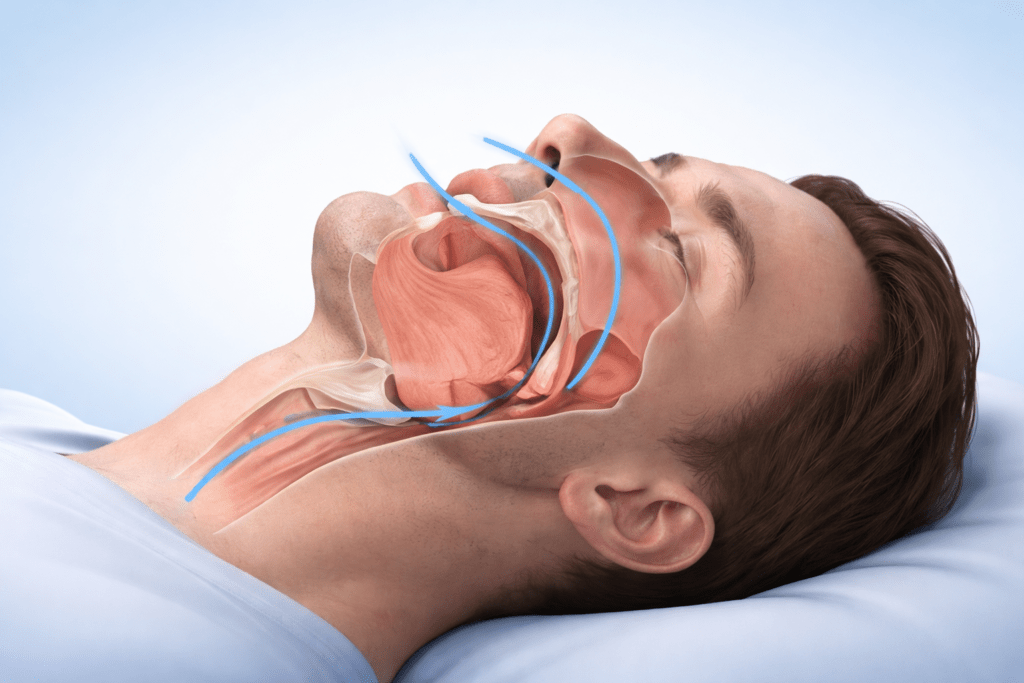
Long-Term Effects on Heart and Blood Vessel Health
Ongoing oxygen fluctuations activate the body’s fight-or-flight response throughout the night. This causes repeated spikes in heart rate and blood pressure while the body should be resting.
When this pattern continues unchecked, it increases the likelihood of:
- Persistent high blood pressure
- Enlargement of the heart muscle
- Abnormal heart rhythms
- Greater cardiovascular strain over time
Stroke Risk and Reduced Oxygen Supply to the Brain
The brain is especially sensitive to oxygen changes. Repeated reductions in oxygen delivery can affect blood vessel function and contribute to inflammation within the vascular system.
Over time, this environment increases susceptibility to cerebrovascular events and can impair the brain’s ability to regulate blood flow effectively.
Cognitive Function, Mood, and Mental Performance
Chronic sleep disruption affects more than physical health. People with untreated sleep apnoea often experience gradual cognitive decline, including slower reaction times, memory difficulties, and reduced decision-making ability.
Emotional regulation may also suffer, leading to:
- Increased irritability
- Heightened stress responses
- Reduced resilience to daily pressures
These changes often develop slowly, making them easy to dismiss as ageing or lifestyle-related.
Metabolic Changes and Weight Regulation Challenges
Sleep plays a vital role in regulating hormones that control appetite and blood sugar. When sleep is repeatedly interrupted, these hormonal systems can become unbalanced.
Untreated sleep apnoea has been associated with:
- Difficulty maintaining stable blood sugar levels
- Increased cravings for high-energy foods
- Reduced effectiveness of weight management efforts
Safety Concerns and Daytime Function
Excessive daytime sleepiness caused by untreated sleep apnoea can significantly impair alertness. This increases the risk of workplace errors, reduced productivity, and motor vehicle accidents.
Many individuals underestimate how impaired their daytime performance has become until treatment restores normal sleep patterns.
Why Early Intervention Makes a Difference
Sleep apnoea is a progressive condition, meaning its effects can intensify over time if not addressed. Early identification allows for tailored treatment that reduces nightly breathing interruptions and supports long-term health.
Modern treatment approaches, including custom-fitted oral appliances, offer effective, comfortable solutions for many patients, particularly those with mild to moderate obstructive sleep apnoea.
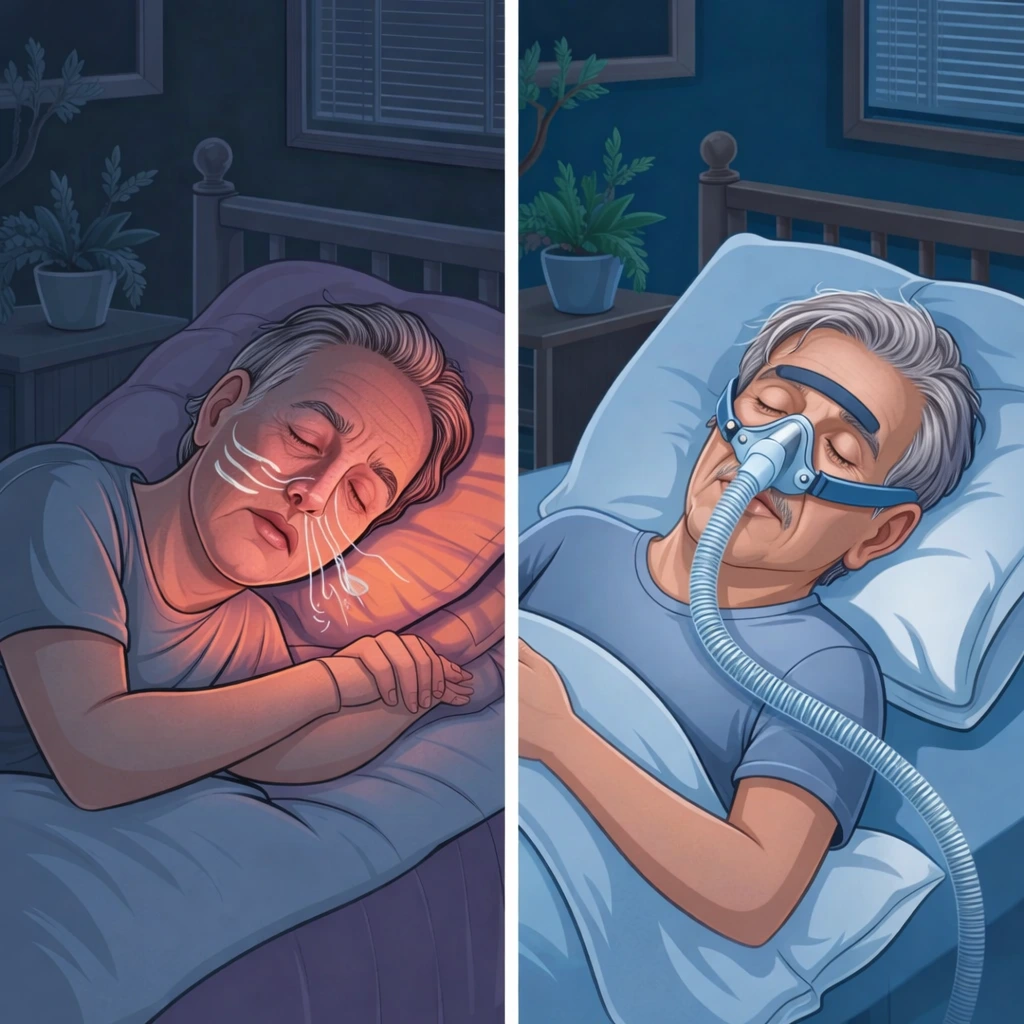
Learn more about sleep apnoae treatment here: MAS
When to Consider a Professional Sleep Assessment
If symptoms such as loud snoring, unrefreshing sleep, morning headaches, or ongoing fatigue persist, a clinical assessment is recommended. Identifying the condition early allows for intervention before irreversible health changes occur.
A personalized treatment plan can improve sleep your quality, reduce health risks, and restore daytime clarity.
Final Perspective
Leaving sleep apnoea untreated allows nightly breathing disruptions to silently affect nearly every system in the body. While symptoms may seem manageable at first, the long-term consequences can be significant.
Addressing sleep apnoea is an investment in future health, cognitive function, and overall wellbeing—and the earlier it is managed, the better the outcome.