
At Peninsula Snore Clinic in Mt Eliza, Victoria, we treat sleep apnoea and snoring with custom made oral appliances.

Sleep studies, medically known as polysomnography, are diagnostic tests designed to monitor your sleep patterns and physiological functions overnight.
According to the Mayo Clinic, a sleep study (also known as polysomnography) is a diagnostic test used to assess sleep disorders. It records multiple body functions while you sleep, including brain waves, oxygen levels in your blood, heart rate, breathing patterns, eye movements, and leg movements, to identify sleep disruptions and diagnose conditions such as sleep apnoea, restless leg syndrome, narcolepsy, and other sleep disorders.
Sleep studies provide clinicians with detailed, objective data that helps determine the presence and severity of sleep-related conditions and guides appropriate treatment planning.
We do not run sleep studies at Peninsula Snore Clinic. Diagnosis is arranged through your GP or a sleep physician, and we work from the results.

Untreated sleep disorders like OSA can lead to serious health complications including hypertension, heart disease, stroke, diabetes, and daytime fatigue that impairs concentration and increases accident risk. Diagnosing sleep disorders early is crucial for preventing these risks and improving quality of life.
At Peninsula Snore Clinic, we emphasise that a recent sleep study is mandatory before starting any treatment. This ensures our care plans are tailored to your specific condition, supported by objective medical data.
If you snore, wake unrefreshed, or your partner has noticed you stop breathing in your sleep, your GP is the place to begin. They can assess your symptoms and, where it is warranted, arrange a sleep study. When the criteria are met, the study and the specialist review often attract a Medicare rebate.
An in-lab sleep study is considered the gold standard for diagnosing sleep disorders. This comprehensive test is conducted overnight in a specialized sleep clinic or hospital setting, where a trained sleep technician monitors you.
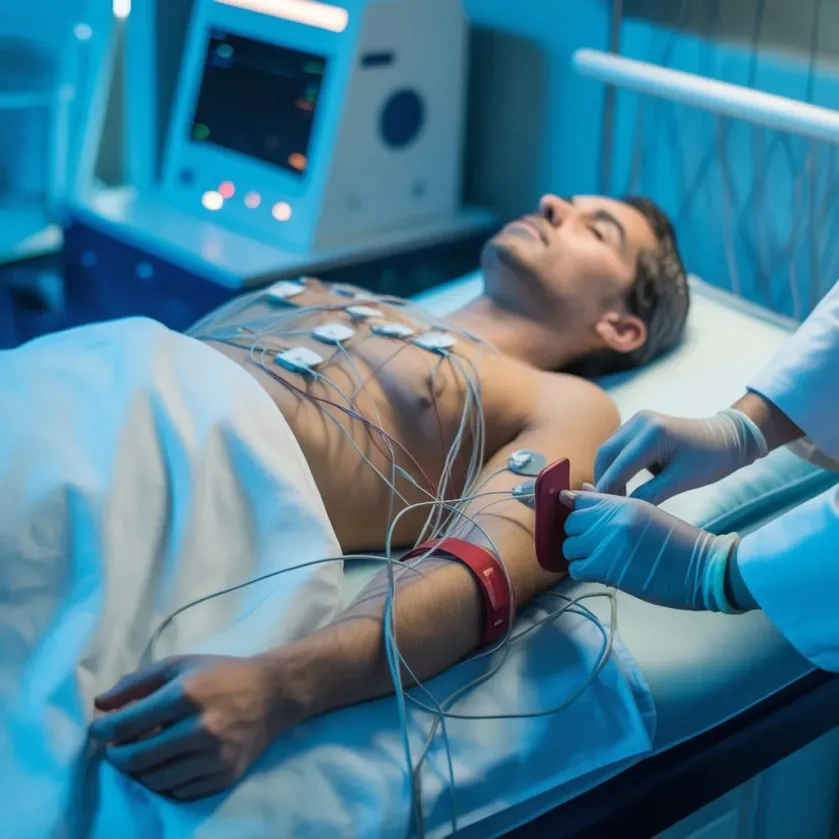
During the study, multiple electrodes and sensors are placed on your scalp, face, chest, and limbs. These devices measure brain waves, heart rhythm, oxygen saturation, breathing patterns, muscle activity, and limb movements.
You will sleep in a comfortable room while being continuously monitored. This environment allows for detailed observation and quick adjustments if needed, ensuring accurate data collection.
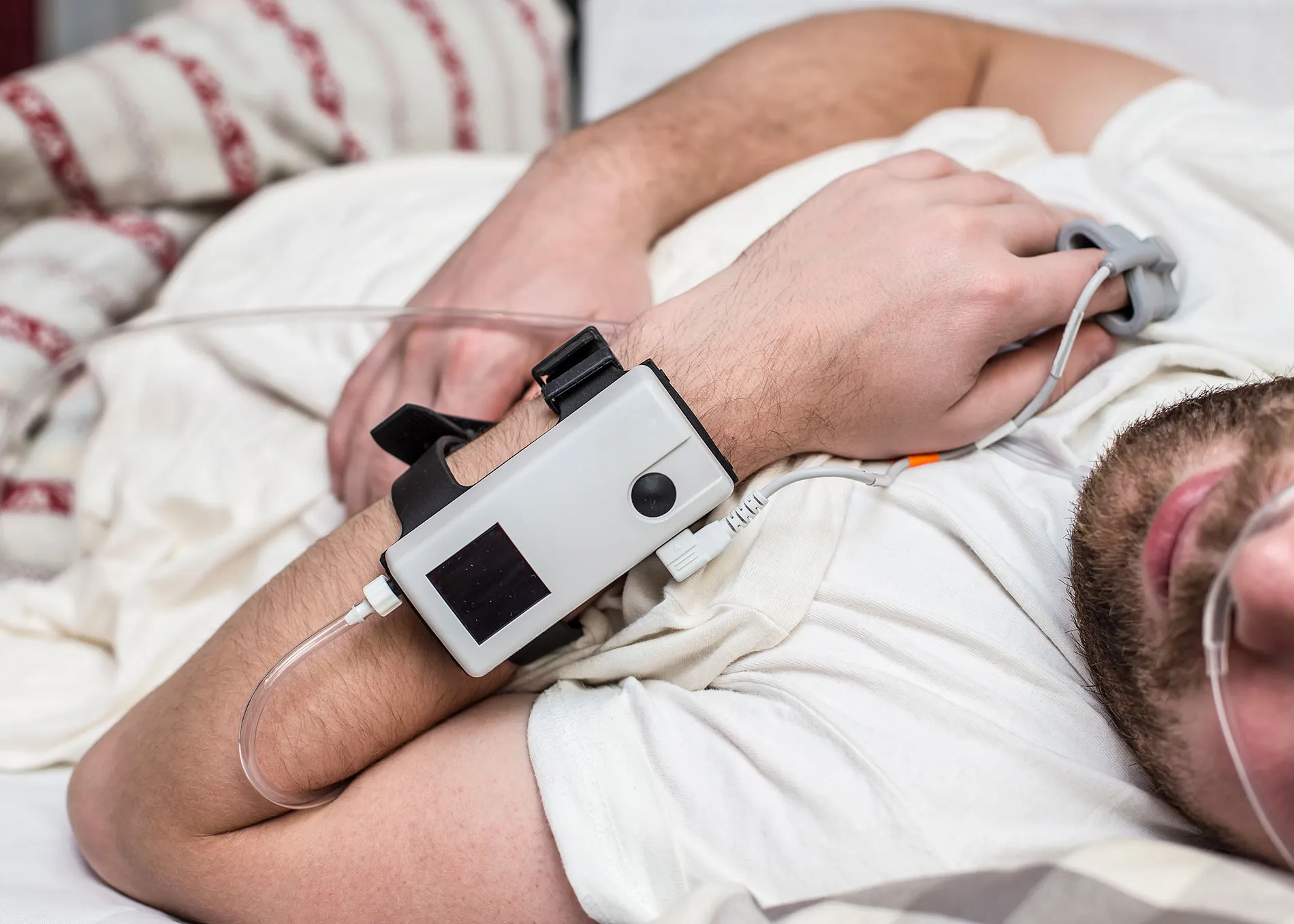
For patients who prefer the comfort and convenience of their own home, and if appropriate, you may be able to complete a home sleep study. This involves wearing a portable monitoring device that records key indicators such as breathing patterns and oxygen levels during your usual sleep.
The device is simple to operate and includes straightforward guidelines. Typically, you will wear a wrist or finger monitor and a sensor around your chest. After the test night, you return the device to the clinic for analysis by sleep specialists.

You should consider a sleep study if you experience symptoms such as:
Loud, persistent snoring
If you have risk factors such as obesity, high blood pressure, or a family history of sleep apnoea, a sleep study is especially important.

Preparing for your sleep study helps ensure accurate results:

Your sleep study is analysed and reported by the sleep service or physician who arranged it. The results will identify whether you have sleep apnoea or other sleep disorders and their severity.
Once you have been diagnosed, bring your results to me. I read the report, and if a custom oral appliance is a suitable option for you, we plan from there. For severe sleep apnoea, CPAP is the first-line treatment, and I will tell you if that is the better path for you.
Why I keep diagnosis with your doctor: a proper diagnosis needs objective testing, not a guess from symptoms. Keeping that step with your GP or sleep physician is the right way to do it, and it means the treatment I provide is matched to a confirmed diagnosis.
If you already have your sleep study results, or you would like to understand your options, contact the clinic on 03 9775 4600.
