
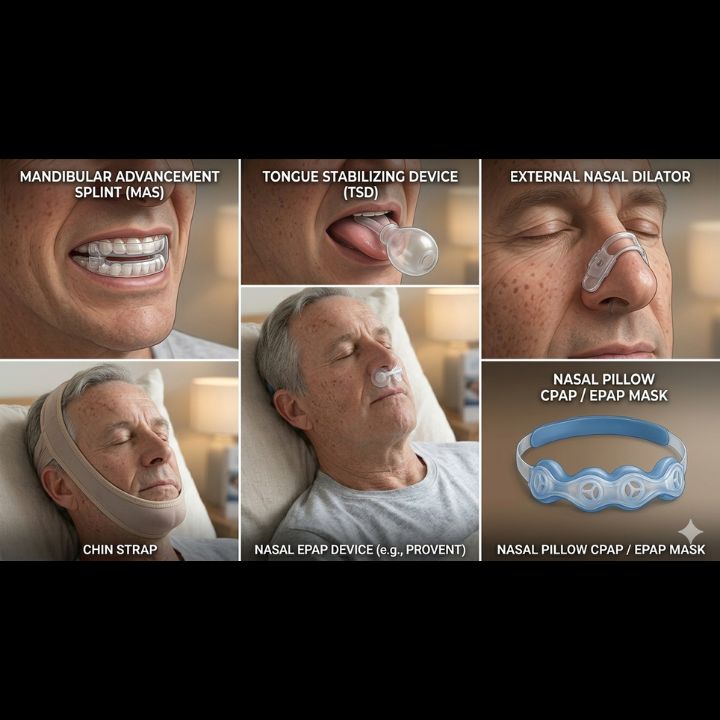
Snoring is more than just a nighttime nuisance. It can disrupt sleep quality, strain relationships, and in some cases signal obstructive sleep apnoea. If you’re searching for the best anti snoring device, you’re not alone. Thousands of Australians are looking for safe, non-invasive solutions that actually work.
In this guide, we’ll explore the top 5 anti snoring device options, how they work, and which one may be right for you.
What Is an Anti Snoring Device?
An anti snoring device is a treatment tool designed to reduce or eliminate snoring by improving airflow during sleep. Most devices work by either repositioning the jaw, stabilising the tongue, or keeping nasal passages open.
Choosing the right anti snoring device depends on the cause of your snoring, comfort preferences, and whether sleep apnoea is involved.
Mandibular Advancement Splints (MAS)
The Gold Standard Anti Snoring Device
A mandibular advancement splint (MAS) is widely considered the most effective anti snoring device for mild to moderate obstructive sleep apnoea and chronic snoring.
This custom-made oral appliance gently moves the lower jaw forward during sleep. By repositioning the jaw, it prevents airway collapse and improves breathing.
Why MAS Stands Out:
- Custom-fitted by a dental professional
- Comfortable and discreet
- No electricity or noise
- Clinically proven effectiveness
- Suitable CPAP alternative for eligible patients
Unlike store-bought options, a professionally fitted anti snoring device like a mandibular advancement splint is tailored to your bite, making it significantly more effective and comfortable.
Best for: Persistent snoring and mild to moderate sleep apnoea.

Tongue Stabilising Devices (TSD)
A Suction-Based Anti Snoring Device
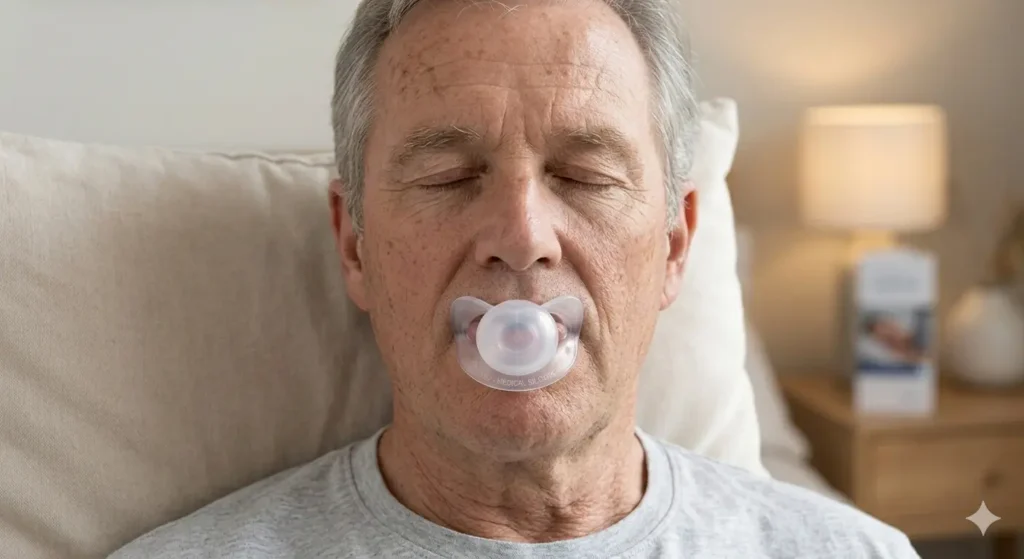
A tongue stabilizing device works differently than a mandibular advancement splint. Instead of moving the jaw, this anti snoring device gently holds the tongue forward using suction.
Because the tongue often contributes to airway narrowing during sleep, holding it in a forward position can minimise tissue vibration and help keep the airway open.
Pros:
- Non-invasive
- No need for custom dental impressions
- Useful for people who cannot wear jaw-advancing devices
Cons:
- May feel bulky
- Less comfortable for long-term use
- Not as effective as custom MAS devices
Best for: Mild snorers or those who cannot tolerate jaw repositioning devices.
Nasal Dilators and Nasal Strips
Simple Anti Snoring Device for Nasal Congestion
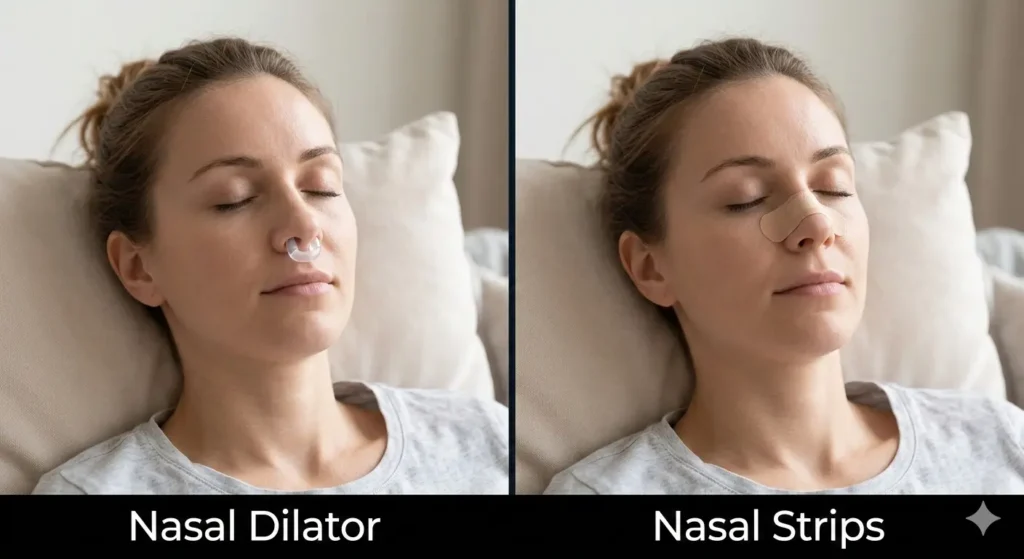
If your snoring is caused by blocked nasal passages, a nasal anti snoring device may help. Nasal strips stick to the outside of the nose, while internal dilators sit inside the nostrils to widen airflow.
These devices do not address throat-based snoring but can be helpful for congestion-related snoring.
Benefits:
- Affordable
- Easy to use
- Over-the-counter availability
Limitations:
- Temporary solution
- Not effective for sleep apnoea
- Limited impact on airway collapse
Best for: Snoring caused primarily by nasal blockage.
Chin Straps
Jaw Support Anti Snoring Device
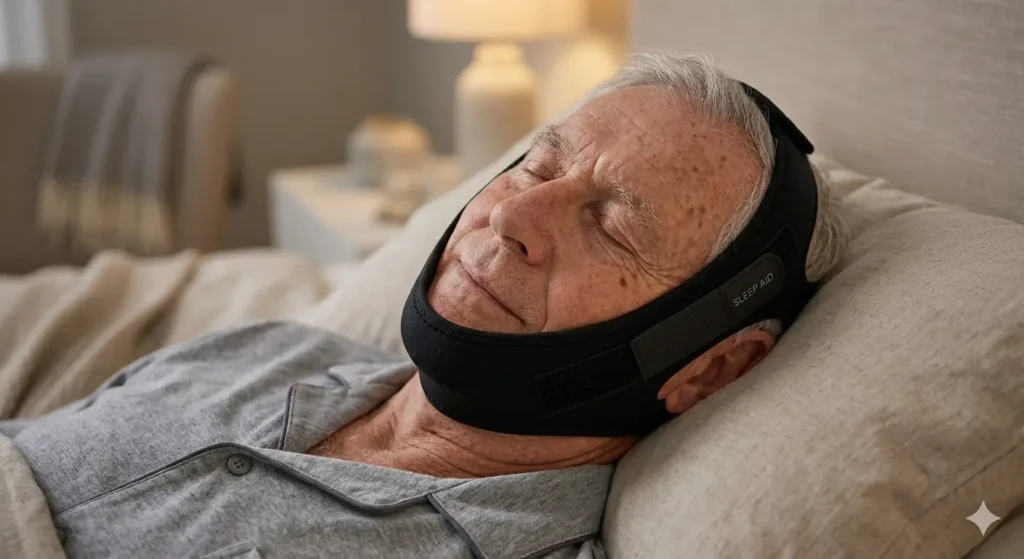
Chin straps work by supporting the jaw to keep your mouth closed during sleep. This anti snoring device encourages nasal breathing and can help reduce mild snoring caused by mouth breathing.
While simple, chin straps do not reposition the jaw or treat airway obstruction.
Advantages:
- Affordable
- Easy to use
- May reduce mouth breathing
Drawbacks:
- Can feel restrictive
- Not suitable for moderate to severe snoring
- Does not treat sleep apnoea
Best for: Mild mouth-breathing snorers.
Expiratory Positive Airway Pressure (EPAP) Devices
Small Valve-Based Anti Snoring Device
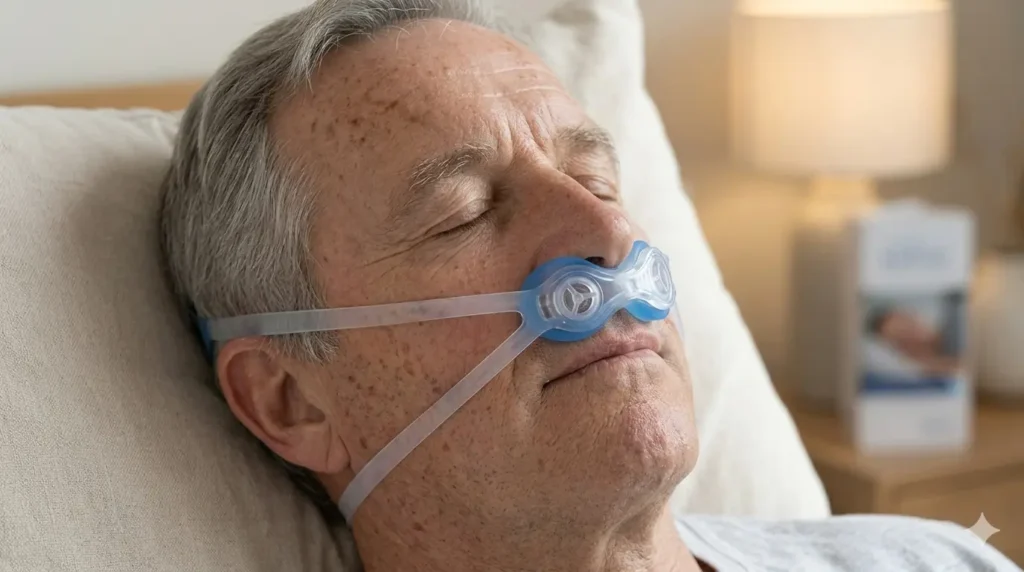
EPAP devices are small adhesive valves placed over the nostrils. They create slight resistance when you exhale, helping keep airways open.
This anti snoring device works by increasing airway pressure naturally without a machine.
Pros:
- No electricity
- Compact and travel-friendly
- Less bulky than CPAP
Cons:
- Adjustment period required
- Not suitable for all sleep apnoea patients
Best for: Mild airway collapse cases under professional guidance.
Which Anti Snoring Device Is Most Effective?
While many products claim to stop snoring, research consistently shows that mandibular advancement splints are among the most reliable anti snoring device options for long-term results.
Over-the-counter solutions may provide temporary relief. However, if snoring is frequent, loud, or accompanied by choking or gasping during sleep, professional assessment is strongly recommended.
A custom-fitted anti snoring device addresses the root cause of airway obstruction rather than simply masking symptoms.
When to Seek Professional Advice
You should consult a qualified clinician if:
- Snoring occurs most nights
- You feel excessively tired during the day
- Your partner notices breathing pauses
- You wake up gasping or choking
Snoring can be a sign of obstructive sleep apnoea, a condition that should be professionally assessed and accurately diagnosed. In these cases, a professionally prescribed anti snoring device may significantly improve both sleep quality and overall health.
Final Thoughts
Choosing the right anti snoring device depends on the cause and severity of your snoring. While nasal strips and chin straps may help occasional snorers, custom mandibular advancement splints remain one of the most effective and evidence-based options available today.
If snoring is affecting your sleep or your partner’s rest, investing in the right anti snoring device could transform your nights — and your health.
For personalised guidance, always seek professional assessment to determine the safest and most effective solution for your needs.