
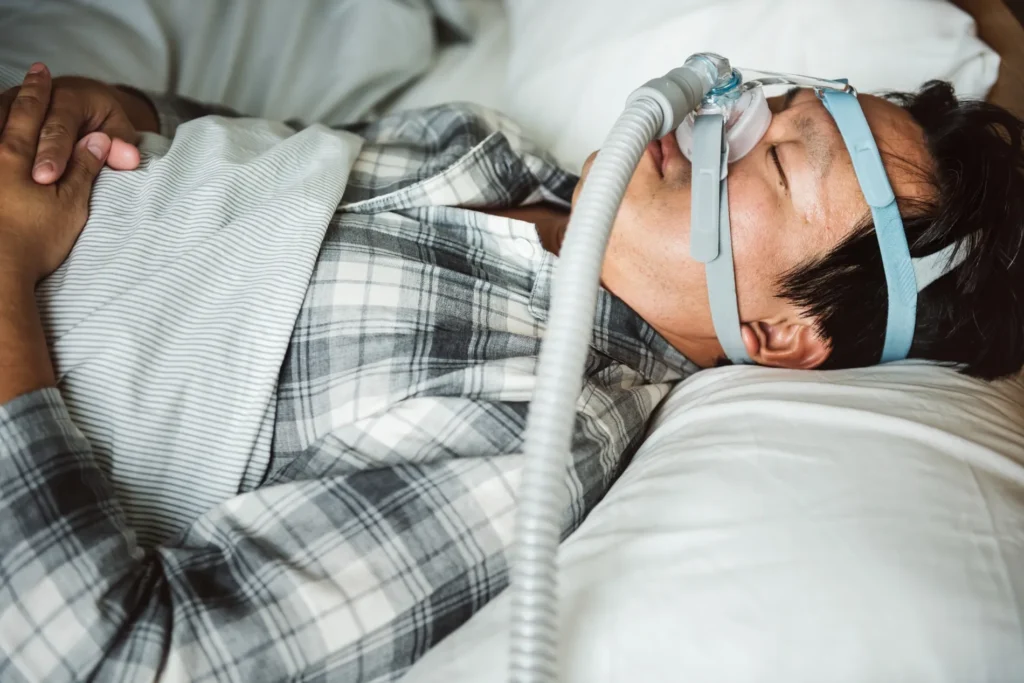
Sleep apnoea affects millions of Australians, disrupting not only their sleep but their overall quality of life. While CPAP machines have long been the gold standard treatment, many patients struggle with their bulky design, noise, and discomfort. This has led to growing interest in CPAP alternative custom sleep apnoea mouthguards as a more comfortable, convenient solution.
If you’re wondering “what is the best CPAP alternative” or “how effective are sleep apnoea mouthguards,” you’re not alone. This comprehensive guide explores the effectiveness of oral appliance therapy, helping you understand whether custom sleep apnoea mouthguards could be the solution you’ve been seeking for better sleep without the hassles of traditional CPAP therapy.
Understanding Sleep Apnoea Mouthguards and How They Work
Sleep apnoea mouthguards, also known as mandibular advancement splints (MAS), are custom-fitted oral appliances designed to treat obstructive sleep apnoea and snoring. Unlike over-the-counter devices, these precision-crafted appliances are tailored specifically to your mouth’s unique anatomy, ensuring optimal comfort and effectiveness.
The mechanism behind mandibular advancement splints is elegantly simple yet scientifically proven. The device gently advances your lower jaw forward during sleep, which naturally lifts the tongue and soft tissues away from the back of your throat. This forward positioning creates more space in your upper airway, preventing the collapse that causes breathing interruptions and snoring.
Think of it as creating a natural “splint” for your airway. When you sleep, your throat muscles naturally relax, which can cause the airway to narrow or close completely in people with sleep apnoea. The mouthguard maintains proper jaw positioning throughout the night, ensuring your airway remains open for uninterrupted breathing.
The beauty of oral appliance therapy lies in its non-invasive approach. There are no machines, no electricity, and no noise – just a comfortable, lightweight device that fits discreetly in your mouth. Most patients find the adjustment period surprisingly short, with many experiencing immediate improvements in their sleep quality from the very first night.
Clinical Effectiveness: Success Rates and Research Evidence
The effectiveness of sleep apnoea mouthguards is backed by extensive clinical research and real-world patient outcomes. Studies consistently show that custom-fitted mandibular advancement splints achieve success rates of 70-90% for patients with mild to moderate obstructive sleep apnoea, making them a highly viable alternative to CPAP therapy.
Research published in leading sleep medicine journals demonstrates that oral appliance therapy can reduce the Apnoea-Hypopnoea Index (AHI) by 50% or more in the majority of patients. This significant reduction translates to fewer breathing interruptions, better oxygen saturation levels, and dramatically improved sleep quality. What’s particularly encouraging is that these improvements are sustained over long-term use, with studies tracking patients for up to five years showing continued effectiveness.
Patient compliance rates tell an equally compelling story. While CPAP machine compliance often drops below 50% due to discomfort and inconvenience, sleep apnoea mouthguards maintain compliance rates of 80-90%. This higher adherence rate is crucial because the most effective treatment is the one patients actually use consistently.
The research also reveals interesting insights about patient satisfaction. Studies comparing sleep apnoea treatment options show that patients using mandibular advancement splints report significantly higher satisfaction scores than those using CPAP machines. Factors contributing to this satisfaction include improved sleep quality, reduced daytime fatigue, and the convenience of a portable, silent treatment option.
Long-term effectiveness data is particularly promising. Unlike some treatments that may lose effectiveness over time, properly fitted and maintained sleep apnoea mouthguards continue to provide consistent results. Regular follow-up appointments allow for fine-tuning and adjustments, ensuring the device continues to meet your changing needs as your condition or oral anatomy may evolve.
Can You Treat Sleep Apnoea Without a CPAP Machine: Alternative Treatment Options
The answer is a resounding yes – you absolutely can treat sleep apnoea without a CPAP machine. Modern sleep medicine offers several effective alternatives, with oral appliance therapy leading the way as the most popular and successful CPAP alternative for many patients.
Primary Treatment Alternatives
Oral Appliance Therapy stands as the most established alternative, with custom sleep apnoea mouthguards offering comparable effectiveness to CPAP for mild to moderate cases. These devices work by maintaining proper jaw positioning throughout sleep, ensuring your airway remains open without the need for pressurised air or bulky machinery.
Positional Therapy can be highly effective for patients whose sleep apnoea is primarily position-dependent. Special devices or techniques help maintain side-sleeping positions, preventing the tongue and soft tissues from collapsing backward into the airway.
Lifestyle Modifications play a crucial supporting role in sleep apnoea treatment. Weight loss, regular exercise, avoiding alcohol before bedtime, and maintaining good sleep hygiene can significantly reduce sleep apnoea severity, often enhancing the effectiveness of other treatments.
Advanced Treatment Options
Surgical Interventions may be considered for specific anatomical issues contributing to airway obstruction. Procedures range from minimally invasive options like radiofrequency ablation to more comprehensive surgeries addressing structural problems.
Combination Approaches often yield the best results. Many patients find that combining oral appliance therapy with lifestyle changes provides optimal outcomes, addressing multiple contributing factors simultaneously.
When CPAP Alternatives Are Most Effective
CPAP alternatives work best for patients with mild to moderate obstructive sleep apnoea, those who cannot tolerate CPAP therapy, and individuals seeking a more convenient, travel-friendly treatment option. The key is proper assessment and professional guidance to determine which alternative best suits your specific condition and lifestyle needs.
What Makes the Best CPAP Alternative: Key Features to Consider
Choosing the most effective CPAP alternative requires understanding the essential features that determine treatment success. Not all sleep apnoea mouthguards are created equal, and several critical factors separate truly effective devices from less successful options.
Custom Fitting: The Foundation of Success
The most important feature of any effective sleep apnoea mouthguard is precise, custom fitting. Generic, one-size-fits-all devices simply cannot provide the accuracy needed for optimal treatment outcomes. Professional custom fitting ensures:
- Proper jaw advancement positioning for your unique anatomy
- Comfortable fit that won’t cause jaw strain or dental issues
- Secure retention throughout the night without slipping or displacement
- Optimal airway opening without over-advancement
Adjustability and Fine-Tuning Capabilities
The best CPAP alternatives offer adjustability features that allow for precise calibration of jaw advancement. This adjustability is crucial because:
- Initial positioning may need refinement based on treatment response
- Individual anatomy varies significantly between patients
- Optimal advancement often requires gradual progression over time
- Fine-tuning ensures maximum effectiveness with minimum side effects
Comfort and Durability Considerations
Long-term treatment success depends heavily on comfort and device longevity. Key comfort features include:
- Smooth, biocompatible materials that won’t irritate oral tissues
- Appropriate thickness that doesn’t feel bulky or restrictive
- Proper bite registration that maintains natural jaw relationships
- Breathing channels or spaces that allow for mouth breathing when needed
Convenience and Lifestyle Factors
The best CPAP alternatives seamlessly integrate into your lifestyle:
- Portability: Compact design that travels easily without special equipment
- Silent Operation: No noise to disturb you or your partner
- Easy Maintenance: Simple cleaning routines that fit into daily habits
- No Power Requirements: Freedom from electrical outlets and battery concerns
Sleep Apnoea Mouthguards vs CPAP Machines: Detailed Comparison
Understanding the differences between sleep apnoea mouthguards and CPAP machines helps you make an informed decision about which treatment option best suits your needs, lifestyle, and sleep apnoea severity.
Effectiveness Comparison
Both treatments can be highly effective, but their success depends on different factors. CPAP machines typically show slightly higher effectiveness rates for severe sleep apnoea, with success rates of 85-95% when used consistently. However, oral appliance therapy achieves comparable results for mild to moderate cases, with success rates of 70-90%.
The critical difference lies in real-world effectiveness versus clinical effectiveness. While CPAP may show superior results in controlled studies, sleep apnoea mouthguards often achieve better practical outcomes because patients actually use them consistently. A treatment that’s used every night at 80% effectiveness often produces better results than a treatment that’s 95% effective but only used half the time.
Comfort and Compliance Factors
Patient comfort significantly impacts treatment success. CPAP machines can cause various discomfort issues including mask leaks, skin irritation, nasal congestion, and claustrophobia. Many patients struggle with the sensation of forced air pressure, particularly during the adjustment period.
Sleep apnoea mouthguards typically offer superior comfort once the initial adjustment period passes. Most patients adapt within a few nights to a week, experiencing minimal ongoing discomfort. The absence of masks, hoses, and pressurised air creates a more natural sleep experience.
Lifestyle Impact and Convenience
The lifestyle differences between these treatments are substantial. CPAP machines require bedside space, electrical power, distilled water, and regular equipment maintenance. Travel becomes more complicated, requiring special carrying cases and power considerations.
Custom sleep apnoea mouthguards offer unmatched convenience. They’re silent, portable, require no power, and fit easily in a pocket or small travel case. This convenience factor often proves decisive for patients who travel frequently or value simplicity in their treatment routine.
Cost Considerations and Long-term Value
Initial costs vary between treatments, but long-term expenses tell a different story. CPAP machines require ongoing costs for replacement masks, filters, tubing, and potential repairs. Sleep apnoea mouthguards have higher upfront costs but minimal ongoing expenses, typically requiring replacement every 3-5 years with proper care.
The Custom Fitting Process: What to Expect During Treatment
Understanding the custom fitting process helps set realistic expectations and ensures you’re prepared for each step of your journey toward better sleep with oral appliance therapy.
Initial Consultation and Assessment
Your journey begins with a comprehensive consultation at a specialised sleep apnoea clinic. During this appointment, your sleep specialist will review your sleep study results, medical history, and current symptoms. They’ll conduct a thorough examination of your teeth, jaw joints, and oral structures to determine if you’re a suitable candidate for mandibular advancement splint therapy.
This assessment includes evaluating your dental health, jaw mobility, and any existing dental work that might affect appliance fitting. Your specialist will also discuss your lifestyle, sleep habits, and treatment goals to ensure oral appliance therapy aligns with your needs and expectations.
Digital Impressions and 3D Scanning
Modern custom fitting utilises advanced digital technology for precision and comfort. Instead of traditional messy impression materials, many clinics now use 3D intraoral scanners to create detailed digital models of your teeth and oral structures. This technology provides superior accuracy while eliminating the discomfort associated with traditional impression techniques.
The digital scanning process is quick and comfortable, typically taking just a few minutes per arch. These precise digital models ensure your custom mouthguard fits perfectly and functions optimally from the first night of use.
Custom Fabrication Timeline
Once your digital impressions are complete, the custom fabrication process begins. High-quality, Australian-made appliances typically require 2-3 weeks for completion, depending on the specific design and materials selected for your case.
During fabrication, skilled technicians use your digital models to create a device that precisely matches your oral anatomy while incorporating the optimal jaw advancement position determined during your consultation. This attention to detail ensures maximum effectiveness and comfort.
Fitting Appointment and Initial Adjustments
Your fitting appointment is crucial for treatment success. Your specialist will carefully check the appliance fit, making any necessary adjustments to ensure comfort and proper function. They’ll teach you how to insert and remove the device, provide care instructions, and schedule follow-up appointments to monitor your progress and make any needed refinements.
Who Are the Best Candidates for Sleep Apnoea Mouthguards
Not everyone with sleep apnoea is an ideal candidate for oral appliance therapy. Understanding the characteristics of successful candidates helps determine whether this treatment option is right for you.
Ideal Medical Candidates
Patients with mild to moderate obstructive sleep apnoea typically achieve the best results with mandibular advancement splints. Those with an Apnoea-Hypopnoea Index (AHI) between 5-30 events per hour often experience significant improvement with oral appliance therapy. However, some patients with more severe sleep apnoea may also benefit, particularly when CPAP therapy has proven unsuccessful or intolerable.
CPAP-intolerant patients represent another ideal candidate group. If you’ve tried CPAP therapy but struggled with mask discomfort, claustrophobia, air pressure intolerance, or frequent mask leaks, custom sleep apnoea mouthguards may provide the comfortable alternative you need.
Dental and Oral Health Requirements
Successful oral appliance therapy requires adequate dental health and sufficient teeth for appliance retention. Candidates should have:
- Enough healthy teeth to support the appliance securely
- Good oral hygiene and manageable gum disease
- Stable dental work that won’t interfere with appliance function
- Adequate jaw mobility and healthy temporomandibular joints
Lifestyle Factors That Enhance Success
Certain lifestyle characteristics increase the likelihood of successful treatment outcomes. Frequent travellers particularly benefit from the portability and convenience of oral appliance therapy. Patients who value simplicity in their treatment routine often find mouthguards more appealing than complex CPAP systems.
Additionally, patients committed to following care instructions and attending regular follow-up appointments typically achieve better long-term results. The willingness to make minor lifestyle adjustments, such as maintaining good oral hygiene and avoiding excessive alcohol consumption, also contributes to treatment success.
Potential Side Effects and How to Manage Them
Like any medical treatment, sleep apnoea mouthguards can cause side effects, though most are mild and manageable with proper care and professional guidance.
Common Initial Side Effects
The most frequently reported side effects occur during the initial adjustment period and typically resolve within a few days to weeks. Jaw discomfort or stiffness upon waking is common as your muscles adapt to the new jaw position. This discomfort usually diminishes as your jaw muscles strengthen and adjust to the appliance.
Increased saliva production often occurs initially as your mouth adapts to the presence of the appliance. This typically normalises within the first week of use. Some patients also experience minor tooth sensitivity or changes in bite sensation, which generally resolve as you become accustomed to the device.
Managing Adjustment Period Challenges
Several strategies can help minimise side effects during the adjustment period. Gradual advancement protocols allow your jaw to adapt slowly to the new position, reducing discomfort and improving tolerance. Your specialist may start with minimal advancement and gradually increase the jaw position over several appointments.
Jaw exercises and stretches can help maintain muscle flexibility and reduce morning stiffness. Simple opening and closing exercises, along with gentle jaw massage, often provide relief. If discomfort persists, temporary use of over-the-counter pain relievers may help during the initial adjustment phase.
Long-term Considerations
Most long-term side effects are minor and manageable with proper care. Some patients experience slight changes in their bite over extended use, though these changes are typically minimal and don’t affect function. Regular dental check-ups help monitor any changes and ensure continued oral health.
Proper appliance maintenance and regular professional adjustments help prevent more serious complications. Following your specialist’s care instructions and attending scheduled follow-up appointments ensures any issues are addressed promptly before they become problematic.
Long-term Success: Maintaining Your Sleep Apnoea Mouthguard
Achieving lasting success with oral appliance therapy requires commitment to proper maintenance and ongoing professional care. Understanding these requirements helps ensure your investment in better sleep continues paying dividends for years to come.
Daily Care Routines
Establishing consistent daily care habits is essential for appliance longevity and oral health. Each morning, rinse your mouthguard with cool water and brush it gently with a soft toothbrush and mild soap or denture cleaner. Avoid hot water, which can warp the appliance materials and affect the fit.
Store your appliance in its protective case when not in use, keeping it away from heat sources and pets. Allow the appliance to air dry completely before storage to prevent bacterial growth and odours. These simple daily habits significantly extend appliance life and maintain optimal hygiene.
Professional Maintenance and Monitoring
Regular professional care is crucial for long-term success. Schedule follow-up appointments as recommended by your sleep apnoea clinic, typically every 6-12 months initially, then annually once your treatment is stable. These appointments allow for appliance adjustments, effectiveness monitoring, and early detection of any issues.
Your specialist will assess appliance wear, check for proper fit, and make any necessary adjustments to maintain optimal effectiveness. They’ll also monitor your sleep apnoea symptoms and may recommend periodic sleep studies to confirm continued treatment success.
Lifestyle Factors for Continued Success
Maintaining a healthy lifestyle supports long-term treatment effectiveness. Regular exercise, weight management, and good sleep hygiene complement oral appliance therapy and may enhance its benefits. Avoiding excessive alcohol consumption, particularly before bedtime, helps maintain treatment effectiveness.
Staying committed to your treatment routine, even during travel or schedule disruptions, ensures consistent benefits. The portability of sleep apnoea mouthguards makes this easier than with other treatment options, but consistency remains key to long-term success.
Making the Right Choice: Is a Sleep Apnoea Mouthguard Right for You
Deciding whether oral appliance therapy is your best treatment option requires careful consideration of multiple factors, from your specific sleep apnoea characteristics to your lifestyle preferences and treatment goals.
Key Decision Factors
Your sleep apnoea severity plays a primary role in treatment selection. If you have mild to moderate obstructive sleep apnoea, oral appliance therapy offers excellent effectiveness with superior convenience compared to CPAP therapy. For severe cases, the decision becomes more complex and requires detailed discussion with your sleep specialist.
Consider your previous treatment experiences and current challenges. If you’ve struggled with CPAP compliance due to discomfort, noise, or lifestyle limitations, a custom sleep apnoea mouthguard may provide the solution you’ve been seeking. Your dental health, jaw function, and oral anatomy also influence treatment suitability.
The Importance of Professional Assessment
Professional evaluation is essential for making an informed treatment decision. A qualified sleep specialist can assess your individual case, review your sleep study results, and determine whether you’re a good candidate for oral appliance therapy. They can also explain realistic expectations for your specific situation.
During your consultation, discuss your lifestyle, travel requirements, and treatment preferences. This information helps your specialist recommend the most appropriate treatment approach and appliance type for your unique needs and circumstances.
Next Steps Toward Better Sleep
If you’re considering sleep apnoea mouthguards as a CPAP alternative, the first step is scheduling a consultation with a qualified sleep specialist. Bring your recent sleep study results, list of current medications, and any questions about treatment options.
Remember that effective sleep apnoea treatment is an investment in your long-term health and quality of life. The right treatment choice can dramatically improve your energy levels, mood, and overall wellbeing while reducing serious health risks associated with untreated sleep apnoea.
Don’t let another night of poor sleep affect your health and happiness. Contact Peninsula Snore Clinic today to explore whether custom sleep apnoea mouthguards could be the comfortable, effective CPAP alternative you’ve been searching for. Your journey toward better sleep and improved health starts with a simple consultation.