
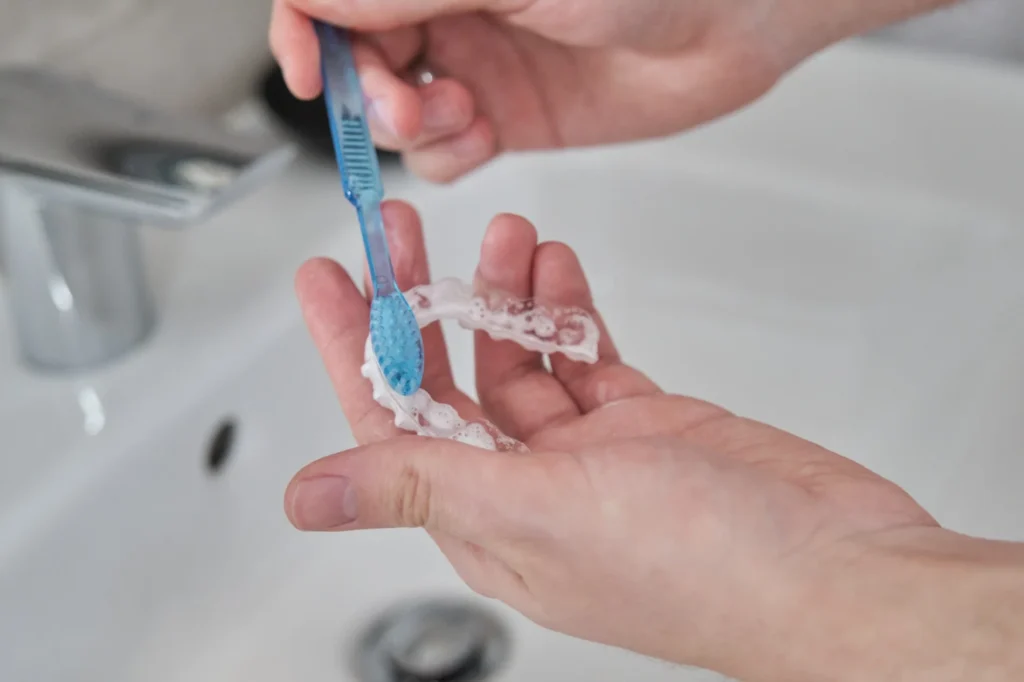
Proper maintenance of your sleep apnoea mouthguards is crucial for ensuring optimal treatment effectiveness and protecting your oral health. Learning how to clean sleep apnoea mouthguard properly not only extends the life of your device but also prevents bacterial buildup that could compromise your health and treatment outcomes.
Your mandibular advancement splints require consistent care to maintain their effectiveness and comfort. Without proper cleaning routines, these custom-fitted devices can harbour harmful bacteria, develop unpleasant odours, and deteriorate prematurely, potentially costing you hundreds of dollars in premature replacements.
This comprehensive guide provides expert-backed cleaning methods developed through years of experience at Peninsula Snore Clinic. Whether you’re new to oral appliance therapy or seeking to improve your current maintenance routine, these proven techniques will help you maintain your device in optimal condition whilst protecting your investment in better sleep.
Why Proper Sleep Apnoea Mouthguard Cleaning Is Essential
Bacterial buildup represents the most significant risk of inadequate mouthguard hygiene. Your mouth naturally contains millions of bacteria, and during sleep, saliva production decreases, creating an ideal environment for bacterial growth on your device. Without proper cleaning, harmful bacteria can multiply rapidly, leading to oral infections, gum disease, and persistent bad breath.
Device longevity directly correlates with maintenance quality. Well-maintained sleep apnoea treatment devices can last 3-7 years, whilst poorly maintained appliances may require replacement within 12-18 months. The cost difference between proper maintenance and premature replacement can exceed $2,000 over the device’s intended lifespan.
Oral health implications extend beyond the device itself. Bacteria-laden mouthguards can contribute to tooth decay, gingivitis, and periodontal disease. These conditions not only affect your oral health but can also impact your overall wellbeing and potentially interfere with your sleep apnoea treatment effectiveness.
Cost savings from proper maintenance become apparent when you consider replacement expenses. Custom mandibular advancement splints typically cost $2,000-$3,000, making proper care a wise financial investment. Regular cleaning with appropriate products costs less than $50 annually, representing exceptional value for protecting your investment.
Daily Cleaning Routine for Your Sleep Apnoea Device
Morning cleaning represents the most critical maintenance step for your oral appliance. Upon waking, immediately rinse your device under lukewarm running water to remove saliva and debris accumulated during sleep. This initial rinse prevents bacterial buildup from hardening and becoming more difficult to remove later.
Essential morning cleaning steps:
- Remove the device carefully to avoid dropping or damaging it
- Rinse thoroughly under lukewarm water for 30-60 seconds
- Gently brush all surfaces using a soft-bristled toothbrush
- Use mild, non-abrasive soap or specialised oral appliance cleaner
- Rinse again to remove all cleaning product residue
Evening preparation involves cleaning your device before insertion to ensure optimal hygiene throughout the night. This second daily cleaning removes any bacteria or debris that may have accumulated during storage and ensures your mouth remains as clean as possible during treatment.
Recommended cleaning products for daily use:
- Mild antibacterial soap or toothpaste without harsh and abrasive chemicals
- Specialised oral appliance cleaning solutions
- Soft-bristled toothbrushes designated specifically for device cleaning
- Lukewarm water (never hot water which can warp the material)
Water temperature guidelines are crucial for maintaining device integrity. Always use lukewarm water between 30-50°C for cleaning and rinsing. Hot water can warp or damage the custom-fitted materials, whilst cold water may not effectively remove bacteria and debris.
Proper drying techniques prevent bacterial growth during storage. After cleaning, gently shake off excess water and allow the device to air dry completely before storing. Never use heat sources like hair dryers or direct sunlight, as these can damage the appliance materials.
Weekly Deep Cleaning Methods for Mandibular Advancement Splints
Weekly deep cleaning removes accumulated bacteria and prevents biofilm formation that daily cleaning cannot address. This thorough cleaning process helps maintain device freshness and prevents the development of persistent odours or staining that can affect your treatment experience.
Effective soaking solutions include:
- Denture cleaning tablets dissolved in lukewarm water
- Specialised oral appliance cleaning solutions
- Antibacterial mouthwash diluted with water (alcohol-free varieties only)
- Hydrogen peroxide solutions (3% concentration maximum)
Denture cleaners provide excellent deep cleaning results when used correctly. Dissolve one tablet in lukewarm water and soak your device for the manufacturer’s recommended time, typically 15-30 minutes. These effervescent cleaners help break down protein deposits and eliminate bacteria effectively.
Ultrasonic cleaning offers professional-level results for home use. If you have access to an ultrasonic cleaner, use it weekly with appropriate cleaning solutions. The ultrasonic vibrations help remove debris from hard-to-reach areas and provide thorough cleaning without manual scrubbing that could damage delicate components.
Antibacterial treatments should be performed weekly using appropriate solutions. Soak your device in an antibacterial solution for 15-20 minutes, then rinse thoroughly with lukewarm water. This process helps eliminate bacteria that may have survived daily cleaning routines.
Frequency recommendations suggest weekly deep cleaning for most users, though those with higher bacterial loads or gum disease may benefit from twice-weekly deep cleaning. Consult with your Peninsula Snore Clinic practitioner if you’re unsure about the appropriate frequency for your specific situation.
What Products to Use and Avoid When Cleaning Sleep Apnoea Mouthguards
Safe cleaning products specifically designed for oral appliances provide the best results without damaging your device. These products are formulated to be effective against bacteria whilst remaining gentle on the materials used in custom mouthguards.
Recommended safe cleaning products:
- Specialised oral appliance cleaners (Retainer Brite, Polident for Partials)
- Mild antibacterial soaps without harsh detergents
- Diluted hydrogen peroxide solutions (maximum 3% concentration)
- Alcohol-free antibacterial mouthwashes
- Soft-bristled toothbrushes designed for delicate cleaning
Harmful substances to avoid completely:
- Hot water above 50°C which can warp custom-fitted materials
- Abrasive toothpastes containing whitening agents or baking soda
- Alcohol-based mouthwashes that can dry out and crack materials
- Bleach or chlorine-based cleaners that can damage appliance components
- Harsh detergents or household cleaners not designed for oral use
Toothpaste considerations require careful attention to ingredients. Most commercial toothpastes contain abrasive particles designed to remove plaque from teeth, but these same abrasives can scratch and damage your mouthguard’s smooth surfaces. If you must use toothpaste, choose a non-abrasive variety specifically designed for sensitive teeth.
Alcohol-free solutions are essential for maintaining material integrity. Alcohol can cause certain mouthguard materials to become brittle, crack, or lose their custom fit over time. Always check product labels to ensure they’re alcohol-free before using them on your device.
Commercial cleaners comparison:
- Retainer Brite: Excellent for daily use, gentle on materials, effective bacteria removal
- Polident for Partials: Good for weekly deep cleaning, removes stains effectively
- Cal-Dent: Suitable for occasional use, may be too harsh for daily cleaning
- Generic denture cleaners: Variable quality, check ingredients carefully before use
Professional-grade cleaning products available through Peninsula Snore Clinic offer superior results and are specifically tested for compatibility with the materials used in your custom appliance. These products often provide better value and effectiveness compared to generic alternatives.
Common Cleaning Mistakes That Damage Oral Appliances
Hot water damage represents the most frequent and costly cleaning mistake. Many patients instinctively use hot water for cleaning, not realising that temperatures above 50°C can permanently warp custom-fitted appliances. This warping can compromise the fit and effectiveness of your treatment.
Critical mistakes to avoid:
- Using boiling water or dishwasher cleaning cycles
- Scrubbing with abrasive brushes or scouring pads
- Soaking in alcohol-based solutions for extended periods
- Using household cleaners not designed for oral appliances
- Storing the device whilst still wet or damp
Abrasive cleaners including whitening toothpastes, baking soda mixtures, and harsh scrubbing brushes can create microscopic scratches on your device’s surface. These scratches provide hiding places for bacteria and can make the appliance more difficult to clean effectively over time.
Improper storage practices contribute to device damage and bacterial growth. Never store your mouthguard in closed containers whilst damp, as this creates ideal conditions for mould and bacteria growth. Similarly, leaving devices in direct sunlight or hot cars can cause warping and material degradation.
Over-cleaning issues to recognise:
- Material brittleness from excessive chemical exposure
- Loss of custom fit due to material breakdown
- Surface roughening that harbours more bacteria
- Premature wear of adjustment mechanisms
- Colour changes indicating material damage
Material degradation causes include exposure to extreme temperatures, harsh chemicals, and excessive mechanical stress from aggressive cleaning. Understanding these causes helps you avoid practices that could shorten your device’s lifespan and compromise your treatment effectiveness.
How Often Should You Clean Your Sleep Apnoea Mouthguard
Daily cleaning frequency should include both morning and evening routines for optimal hygiene. The morning cleaning removes overnight accumulation of bacteria and saliva, whilst evening cleaning ensures your device is hygienic before insertion. This twice-daily routine provides the foundation for effective long-term maintenance.
Weekly deep clean schedules should be maintained consistently regardless of how clean your device appears. Even with excellent daily care, weekly deep cleaning removes accumulated bacteria and prevents biofilm formation that can lead to persistent odours and potential oral health issues.
Monthly maintenance checks involve thorough inspection of your device for signs of wear, damage, or fit changes. During these checks, examine all surfaces for cracks, rough spots, or areas where bacteria might accumulate. This proactive approach helps identify potential issues before they become serious problems.
Signs requiring immediate cleaning include:
- Visible debris or discolouration on any surface
- Unpleasant odours that persist after normal cleaning
- Unusual taste when inserting the device
- Partner complaints about breath odour despite good oral hygiene
- Any signs of mould or bacterial growth
Patients with certain medical conditions may require more frequent cleaning. Those with diabetes, compromised immune systems, or active gum disease should consider twice-daily deep cleaning or consult with their Peninsula Snore Clinic practitioner for personalised maintenance recommendations.
Proper Storage and Handling of Your Mandibular Advancement Splint
Storage case importance cannot be overstated for maintaining device hygiene and preventing damage. Your custom case provides protection from physical damage, contamination, and loss whilst allowing proper ventilation for drying. Never store your device in tissues, napkins, or makeshift containers that can harbour bacteria.
Ventilation requirements ensure your device dries completely between uses. Proper storage cases feature ventilation holes that allow air circulation whilst protecting the device from dust and contamination. Ensure your device is completely dry before closing the storage case to prevent bacterial growth.
Travel considerations require special attention to maintain hygiene standards away from home. Pack cleaning supplies including travel-sized oral appliance cleaner, a dedicated soft brush, and backup storage options. Consider bringing cleaning tablets for situations where thorough cleaning facilities aren’t available.
Temperature control factors:
- Store in cool, dry locations away from direct sunlight
- Avoid leaving in hot cars or near heating sources
- Maintain storage temperatures between 15-25°C when possible
- Protect from freezing temperatures that can make materials brittle
Humidity factors affect both device materials and bacterial growth potential. High humidity environments can promote bacterial growth, whilst extremely dry conditions may affect certain appliance materials. Store your device in moderate humidity conditions when possible, and ensure complete drying before storage in any environment.
Signs Your Sleep Apnoea Device Needs Professional Attention
Wear indicators suggest when professional evaluation becomes necessary. Look for visible signs of material thinning, rough edges, or changes in the device’s shape or fit. These changes can affect treatment effectiveness and may indicate the need for adjustments or replacement.
Professional attention indicators:
- Persistent odours despite proper cleaning routines
- Visible cracks, chips, or rough areas on any surface
- Changes in fit that affect comfort or treatment effectiveness
- Difficulty achieving proper jaw positioning during use
- Unusual wear patterns that suggest bite or alignment issues
Odour issues that persist despite proper cleaning may indicate bacterial penetration into the device material or the development of biofilms that require professional cleaning. Don’t ignore persistent odours, as they often signal hygiene problems that could affect your oral health.
Fit problems can develop gradually as devices age or if cleaning practices have caused material changes. If your device feels loose, tight, or uncomfortable compared to when it was new, professional evaluation can determine whether adjustments or replacement are necessary.
Material changes including discolouration, surface roughening, or flexibility changes may indicate normal wear or improper care. Professional assessment helps distinguish between normal aging and damage that requires intervention.
When to contact Peninsula Snore Clinic includes any concerns about device function, fit, or hygiene that you cannot resolve with proper cleaning techniques. Early intervention often prevents minor issues from becoming major problems requiring device replacement.
Troubleshooting Common Hygiene Issues with Oral Appliances
Persistent odours despite regular cleaning often indicate bacterial penetration into microscopic scratches or porous areas of the device. Try soaking in hydrogen peroxide solution (3% maximum) for 15 minutes weekly, followed by thorough rinsing. If odours persist, professional cleaning or device replacement may be necessary.
Staining problems can result from certain foods, beverages, or medications. Coffee, tea, and red wine are common culprits, whilst some medications can cause intrinsic staining. Regular cleaning with denture cleaning tablets helps prevent most staining, but established stains may require professional treatment.
Bacterial buildup becomes apparent through visible biofilm formation, persistent odours, or unusual tastes. Increase cleaning frequency temporarily and consider using ultrasonic cleaning if available. Severe bacterial buildup may require professional intervention to prevent oral health complications.
Dry mouth effects can concentrate bacteria and make cleaning more challenging. Patients experiencing dry mouth should increase cleaning frequency and consider using saliva substitutes before device insertion. Discuss dry mouth issues with your healthcare provider, as they may indicate underlying health conditions.
Cleaning product reactions to watch for:
- Allergic responses including mouth irritation or swelling
- Material discolouration from incompatible cleaning agents
- Surface roughening from overly aggressive products
- Taste changes that persist after thorough rinsing
- Fit changes that may indicate material damage
If you experience any adverse reactions to cleaning products, discontinue use immediately and consult with Peninsula Snore Clinic for alternative cleaning recommendations suitable for your specific device and sensitivities.
Professional Maintenance Services at Peninsula Snore Clinic
Professional cleaning services at Peninsula Snore Clinic provide deep cleaning that exceeds home care capabilities. Using specialised equipment and professional-grade cleaning solutions, these services remove accumulated bacteria, stains, and deposits that regular home cleaning cannot address effectively.
Device adjustments during professional maintenance visits ensure optimal fit and function. As your oral structures change over time or as devices experience normal wear, professional adjustments maintain treatment effectiveness and comfort. These adjustments can extend device life and improve treatment outcomes.
Replacement indicators are assessed during professional maintenance visits. Experienced practitioners can identify wear patterns, material degradation, and fit changes that may not be apparent to patients. This professional assessment helps determine optimal replacement timing to maintain treatment effectiveness.
Ongoing support includes troubleshooting cleaning issues, recommending appropriate products, and providing personalised maintenance schedules based on your specific needs and device type. This support ensures you maintain optimal device hygiene throughout its lifespan.
Mt Eliza location benefits include convenient access to professional maintenance services for patients throughout the Mornington Peninsula. Regular professional maintenance visits, combined with proper home care, provide the best outcomes for your CPAP alternative treatment.
Professional maintenance services represent a valuable investment in your sleep health and device longevity. Schedule regular maintenance appointments to ensure your oral appliance continues providing effective sleep apnoea treatment whilst maintaining optimal hygiene standards.
Contact Peninsula Snore Clinic at 03 9775 4600 to schedule your professional maintenance appointment and ensure your sleep apnoea mouthguard continues providing the effective, comfortable treatment you deserve.