
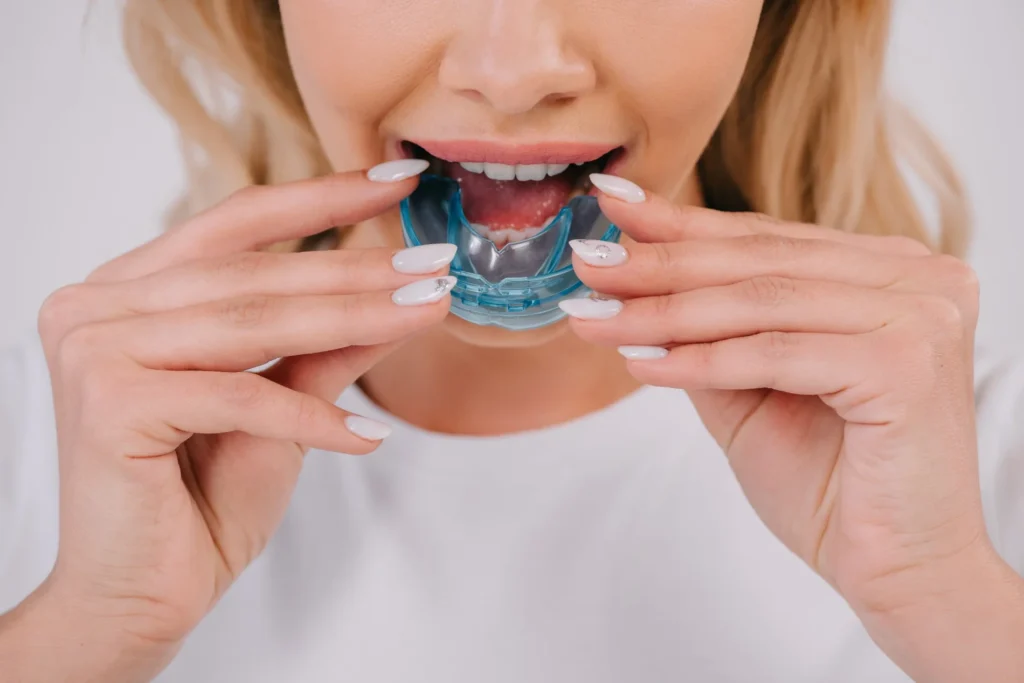
When faced with chronic snoring that disrupts your sleep and strains relationships, the prospect of surgical intervention can feel daunting. Fortunately, modern sleep medicine offers a natural, non-invasive alternative: mandibular advancement devices. These custom-fitted oral appliances work by gently repositioning your jaw to maintain an open airway throughout the night, providing immediate relief without the risks, recovery time, or complications associated with surgical procedures.
Understanding the Science Behind Airway Obstruction During Sleep
To appreciate why mandibular advancement devices excel where surgery often falls short, it’s essential to understand what happens in your throat during sleep. When you drift off to sleep, the muscles throughout your body naturally relax, including those supporting your upper airway structures.
During wakefulness, these muscles maintain proper tension to keep your airway open. However, as sleep deepens, muscle tone decreases significantly. The tongue, soft palate, and throat tissues begin to collapse backward and inward, progressively narrowing the space through which air must flow.
This narrowing creates turbulent airflow, causing the relaxed tissues to vibrate against each other. These vibrations produce the characteristic sound we recognise as snoring. In more severe cases, the airway can become completely blocked, leading to obstructive sleep apnoea where breathing stops entirely for periods of ten seconds or longer.
The anatomy of snoring involves multiple structures working against optimal breathing. The tongue, being a large muscle, tends to fall backward when muscle tone decreases. The soft palate and uvula can also collapse downward, whilst the lateral walls of the throat may narrow inward. This multi-level collapse explains why surgical approaches targeting only one area often fail to provide complete relief.
How Mandibular Advancement Devices Naturally Open Your Airway
Mandibular advancement splints work through elegant biomechanical principles that address the root cause of airway obstruction. By gently advancing the lower jaw forward from its natural resting position, these devices create a cascade of positive anatomical changes that maintain airway patency throughout sleep.
When your lower jaw moves forward, it pulls the tongue forward with it. The tongue attaches to the inner surface of the lower jaw through various muscles and connective tissues. This forward positioning prevents the tongue from falling backward into the throat space, immediately creating more room for airflow.
The forward jaw position also affects the soft palate and throat muscles. As the mandible advances, it creates tension in the muscles and tissues of the upper airway, helping to maintain their position and prevent collapse. This natural tensioning effect keeps the airway open without requiring conscious effort or muscle activation during sleep.
Additionally, the slight opening of the bite that occurs with mandibular advancement creates vertical space in the oral cavity. This increased space allows for better tongue positioning and reduces the likelihood of the tongue contacting the soft palate or throat walls during sleep.
The beauty of this approach lies in its simplicity and naturalness. Rather than removing tissue or altering anatomy permanently, custom sleep apnoea mouthguards work with your existing anatomy to optimise airway function. The device maintains these beneficial positions throughout the night, ensuring consistent airway patency during all sleep stages.
The Physiological Benefits of Non-Invasive Jaw Repositioning
The advantages of mandibular advancement extend far beyond simply opening the airway. This natural approach to snoring treatment triggers multiple physiological improvements that enhance overall sleep quality and health outcomes.
Enhanced Oxygen Delivery
When your airway remains consistently open throughout the night, oxygen flow to your lungs improves dramatically. This enhanced oxygenation benefits every organ system in your body, particularly your brain and cardiovascular system. Improved oxygen levels during sleep lead to better cognitive function, enhanced memory consolidation, and increased daytime alertness.
Cardiovascular Health Improvements
Unobstructed breathing during sleep reduces strain on your cardiovascular system. When snoring or sleep apnoea causes breathing interruptions, your heart must work harder to maintain adequate oxygen delivery. Oral appliance therapy eliminates these interruptions, allowing your heart rate and blood pressure to remain stable throughout the night.
Natural Sleep Architecture Preservation
Unlike surgical interventions that may alter throat anatomy permanently, mandibular advancement devices preserve your natural sleep patterns. You can move freely during sleep, change positions naturally, and progress through normal sleep stages without interference from bulky equipment or surgical modifications.
Muscle Tone Enhancement
Regular use of mandibular advancement devices can actually improve muscle tone in the upper airway over time. The gentle forward positioning encourages better muscle coordination and may help maintain airway patency even when the device isn’t worn occasionally.
Improved Sleep Quality Markers
Patients using mandibular advancement devices typically experience:
- Reduced sleep fragmentation and fewer awakenings
- Increased deep sleep and REM sleep percentages
- Better sleep efficiency and shorter time to fall asleep
- Enhanced morning alertness and reduced daytime fatigue
- Improved mood stability and cognitive performance
These improvements occur because the brain no longer needs to partially wake to restore breathing, allowing for truly restorative sleep cycles.
Why Surgery Often Fails Where Oral Appliances Succeed
Surgical approaches to snoring and sleep apnoea treatment face inherent limitations that explain their variable success rates and high recurrence rates. Understanding these limitations highlights why mandibular advancement devices often provide superior long-term outcomes.
Limited Scope of Surgical Intervention
Most snoring surgeries target specific anatomical structures, such as the uvula, soft palate, or tonsils. However, airway obstruction during sleep typically involves multiple levels and structures working in combination. Removing or modifying one area may not address obstruction occurring at other levels, leading to incomplete treatment results.
Tissue Healing and Scar Formation
Surgical procedures inevitably create scar tissue as part of the healing process. This scar tissue can be less flexible than the original tissue, potentially creating new areas of obstruction or reducing the effectiveness of the surgical modification over time. Some patients experience worsening symptoms months or years after initially successful surgery due to scar tissue formation.
Irreversible Nature of Surgical Changes
Once tissue is removed or modified surgically, these changes cannot be undone. If the surgery doesn’t provide adequate relief or causes unexpected complications, patients have limited options for revision or alternative treatments. This permanence creates significant risk for patients who may not respond well to surgical intervention.
Recovery Complications and Discomfort
Surgical procedures in the throat area often involve significant post-operative pain, difficulty swallowing, and extended recovery periods. Patients may experience weeks of discomfort, dietary restrictions, and time away from work or normal activities. Some individuals develop chronic throat pain or changes in voice quality following surgery.
Variable Success Rates
Success rates for snoring surgery vary widely depending on the specific procedure, patient anatomy, and definition of success used. Many studies show success rates between 40-60% for surgical interventions, with significant numbers of patients experiencing symptom recurrence within 2-3 years.
Cost and Insurance Considerations
Surgical procedures typically involve higher upfront costs, hospital fees, anaesthesia costs, and potential complications requiring additional treatment. Many insurance plans have strict criteria for covering snoring surgery, and revision procedures may not be covered if initial surgery fails.
In contrast, mandibular advancement devices offer adjustability, reversibility, and the ability to fine-tune treatment over time. If one approach doesn’t work optimally, adjustments can be made without permanent consequences.
Immediate vs Long-Term Results: What to Expect from Natural Treatment
One of the most compelling advantages of mandibular advancement devices is the rapid onset of benefits combined with sustained long-term effectiveness.
First Night Improvements
Many patients experience noticeable improvements using a properly fitted mandibular advancement device. The immediate forward positioning of the jaw creates instant airway opening, often resulting in dramatically reduced snoring. Partners frequently report the first quiet night’s sleep they’ve experienced in years.
However, it’s important to understand that the first night may also involve some adjustment discomfort. Your jaw muscles need time to adapt to the new position, and you may experience mild soreness similar to what you might feel after dental work. This initial discomfort typically resolves within a few nights as your muscles adapt.
The Adjustment Period
The first 1-2 weeks represent the primary adjustment period for most patients. During this time, your jaw muscles gradually adapt to the new sleeping position, and any initial discomfort subsides. Many patients find that their sleep quality continues to improve throughout this period as their body adjusts to the enhanced airway opening.
Some individuals may experience increased salivation initially, which typically normalises within the first week. Your tongue and oral muscles also adapt to the presence of the device, making insertion and removal more comfortable with practice.
Long-Term Effectiveness and Benefits
The long-term benefits of mandibular advancement devices often exceed initial expectations. As your body adapts to consistently better sleep quality, you may notice improvements in areas you hadn’t directly connected to your snoring problem. Enhanced cognitive function, improved mood stability, better cardiovascular health, and increased energy levels often develop over weeks to months of consistent use.
Unlike surgical interventions that may lose effectiveness over time due to tissue changes or scar formation, properly maintained oral appliances can provide decades of reliable service. Regular follow-up appointments allow for fine-tuning and adjustments to maintain optimal effectiveness as your needs change over time.
Maintenance and Longevity
The maintenance requirements for mandibular advancement devices are minimal compared to the ongoing care needs following surgery. Daily cleaning with a toothbrush and weekly soaking in appliance cleaner keeps the device fresh and hygienic. Most high-quality devices last 3-5 years with proper care, making them a cost-effective long-term solution.
Customisation: The Key to Successful Natural Snoring Treatment
The effectiveness of mandibular advancement devices depends heavily on precise customisation to your individual anatomy and needs. This personalised approach explains why professionally fitted devices consistently outperform over-the-counter alternatives and why treatment success rates are so high when proper protocols are followed.
Individual Anatomical Considerations
Every person’s jaw structure, tooth alignment, and airway anatomy is unique. Successful treatment requires careful assessment of your specific anatomical features, including jaw mobility, dental health, and the degree of advancement needed to achieve optimal airway opening. Professional evaluation ensures the device design accommodates your individual characteristics while maximising treatment effectiveness.
The customisation process begins with detailed digital scans of your teeth and bite relationship. These precise measurements allow for creation of a device that fits securely and comfortably while positioning your jaw at the optimal advancement level. The fit must be snug enough to maintain jaw position throughout the night while remaining comfortable enough for consistent nightly use.
Advanced Fitting and Adjustment Protocols
Modern mandibular advancement devices offer sophisticated adjustment capabilities that allow fine-tuning of jaw position over time. Initial fitting typically positions the jaw at a conservative advancement level, with gradual increases made during follow-up appointments until optimal results are achieved.
This titration process ensures you achieve maximum benefit while maintaining comfort and avoiding excessive jaw strain. The ability to make precise adjustments means treatment can be optimised for your specific response patterns and comfort preferences.
Material Selection and Design Options
Professional-grade mandibular advancement devices utilise advanced materials and design features that enhance comfort and durability. Options may include different thickness levels, breathing channels, and connector systems based on your specific needs and preferences.
The choice between different appliance designs depends on factors such as your degree of mouth breathing, jaw mobility, dental work present, and personal comfort preferences. Experienced practitioners can recommend the most appropriate design for your individual situation.
Ongoing Personalisation and Monitoring
Treatment customisation continues beyond the initial fitting. Regular follow-up appointments allow for assessment of treatment effectiveness, comfort levels, and any needed adjustments. This ongoing personalisation ensures your treatment remains optimal as your needs may change over time.
Safety Profile: Why Natural Solutions Are Lower Risk
The safety advantages of mandibular advancement devices over surgical interventions represent one of the most compelling reasons to choose this natural approach. Understanding the risk profiles of different treatment options helps inform decision-making and provides peace of mind for patients seeking effective snoring relief.
Non-Invasive Treatment Approach
Mandibular advancement devices require no incisions, tissue removal, or permanent anatomical alterations. This non-invasive approach eliminates the risks associated with anaesthesia, surgical complications, infection, and prolonged recovery periods. The absence of surgical trauma means you can begin treatment immediately without time away from work or normal activities.
The reversible nature of oral appliance therapy provides additional safety benefits. If you experience any discomfort or decide the treatment isn’t suitable, you can simply discontinue use without permanent consequences. This flexibility allows for risk-free trial of treatment effectiveness.
Minimal Side Effects Profile
The side effects associated with properly fitted mandibular advancement devices are typically minor and temporary. Most patients experience only mild jaw soreness during the initial adjustment period, which resolves as muscles adapt to the new position. Occasional increased salivation may occur initially but typically normalises within the first week of use.
Serious complications are extremely rare with oral appliance therapy. The most significant potential concern involves temporomandibular joint (TMJ) discomfort in susceptible individuals, but this can usually be managed through appliance adjustments or alternative treatment approaches.
Professional Monitoring and Support
The safety of mandibular advancement device treatment is enhanced by ongoing professional monitoring. Regular follow-up appointments allow for early detection and correction of any developing issues, ensuring treatment remains comfortable and effective long-term.
Professional oversight also ensures proper appliance maintenance and replacement when needed, maintaining optimal hygiene and function throughout the treatment period. This ongoing support system provides additional safety assurance compared to surgical interventions where post-operative care is typically limited to the immediate recovery period.
Long-Term Safety Considerations
Long-term studies of mandibular advancement device use show excellent safety profiles with minimal adverse effects over years of consistent use. The non-invasive nature of treatment means there are no concerns about surgical site complications, scar tissue formation, or permanent anatomical changes that might cause problems years later.
The ability to adjust or discontinue treatment at any time provides ongoing safety flexibility that surgical interventions cannot offer. This adaptability ensures treatment can evolve with your changing needs while maintaining safety and effectiveness.
Making the Right Choice for Your Snoring Treatment Journey
Choosing between surgical intervention and mandibular advancement devices for snoring treatment represents a significant decision that impacts your health, comfort, and quality of life. The evidence strongly supports oral appliance therapy as the preferred first-line treatment for most individuals experiencing snoring or mild to moderate sleep apnoea.
The natural approach offered by mandibular advancement devices provides immediate relief without the risks, recovery time, or irreversible changes associated with surgery. The ability to customise, adjust, and fine-tune treatment ensures optimal outcomes while maintaining the flexibility to modify the approach as your needs change over time.
Professional assessment remains essential for determining the most appropriate treatment approach for your individual situation. A qualified sleep specialist can evaluate your specific anatomy, assess the severity of your condition, and recommend the treatment option most likely to provide successful long-term relief.
The journey to better sleep and improved health begins with taking that first step toward professional evaluation. Don’t let another night of disruptive snoring impact your wellbeing and relationships. Schedule a consultation today to discover how mandibular advancement devices can provide the natural, effective snoring relief you’ve been seeking. Your path to quiet, restful sleep and renewed energy starts with understanding your options and choosing the treatment approach that best fits your lifestyle and health goals.